
I remember sitting on my kitchen floor at 2:00 AM, staring at a lukewarm takeout container and feeling that familiar, heavy wave of guilt. I had just finished a grueling twelve-hour stretch, and the thought of chopping a single carrot felt physically impossible. Most “wellness gurus” will tell you that you need elaborate Sunday meal prep sessions involving five hours of Tupperware stacking and expensive organic grocery hauls, but let’s be real: that is not realistic when your internal clock is constantly resetting. If you are trying to figure out how to plan meals when you work shifts, you don’t need a Pinterest-perfect kitchen; you need a system that actually respects your exhaustion.
I’m not here to give you a list of complicated recipes that require a PhD in time management. Instead, I want to share the low-friction systems I developed after my own burnout—strategies designed to work with your erratic schedule rather than against it. We are going to focus on realistic assembly, smart pantry staples, and gentle ways to fuel your body without adding more mental load to your plate. This is about sustainable nourishment, not perfection.
Managing Nutrition With Rotating Shifts Without the Burnout
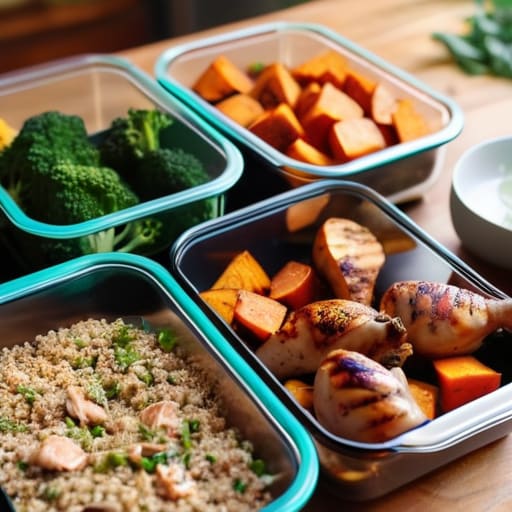
When your schedule shifts every few days, your internal clock is already fighting a battle. Trying to follow a rigid, “standard” meal plan is often a recipe for frustration and decision fatigue. Instead of fighting your biology, I want you to focus on managing nutrition with rotating shifts by leaning into flexibility rather than perfection. The goal isn’t to have a gourmet, five-course meal every time you clock in; it’s about having a reliable system that prevents that mid-shift blood sugar crash that leaves you feeling completely depleted.
I’ve found that the most sustainable approach is to stop viewing “meal prep” as a massive Sunday afternoon ordeal. For my clients, I recommend a “modular” style of prep. Instead of making full recipes, try batch cooking individual components—like a big tray of roasted veggies, a pot of quinoa, or seasoned proteins. This way, if you wake up at 2:00 PM feeling ravenous, or if you’re hitting a wall at 3:00 AM, you can quickly assemble a balanced plate without the mental load of starting from scratch. It turns nutrition from a chore into a supportive ritual that actually protects your energy.
Batch Cooking for Healthcare Workers to Save Mental Bandwidth
When you’re coming off a twelve-hour stretch, the last thing your brain wants to do is make a decision, let alone stand over a stove. This is where the concept of “decision fatigue” becomes a real obstacle to your health. Instead of trying to cook every day, I recommend leaning into batch cooking for healthcare workers as a way to protect your mental bandwidth. My approach isn’t about spending your entire Sunday in a sterile kitchen; it’s about preparing versatile components—like a large tray of roasted sweet potatoes, a batch of quinoa, or shredded protein—that can be mixed and matched throughout the week.
The goal is to create a system where “assembling” a meal takes less effort than “cooking” one. When you have these building blocks ready, you can easily put together portable meal ideas for long shifts that won’t leave you crashing halfway through your rotation. I always tell my clients: don’t aim for culinary perfection; aim for consistency and ease. If having three pre-portioned containers of a nourishing grain bowl in the fridge means you won’t reach for processed snacks at 3:00 AM, then that is a massive win for your long-term wellness.
Five Small Shifts to Protect Your Energy and Your Plate
- Build a “Low-Capacity” Menu. We all have those days where the brain fog is so thick we can barely decide what color socks to wear. Keep a list of three 5-minute meals—think Greek yogurt with hemp seeds, a protein shake, or even just avocado toast—that require zero actual cooking. When the shift gets heavy, don’t fight your brain; just lean on these pre-decided lifesavers.
- Use “Modular” Meal Prep instead of full recipes. Instead of spending your entire Sunday making five identical containers of chicken and broccoli (which can feel suffocating), prep components. Roast a tray of veggies, boil some eggs, and cook a big batch of quinoa. This gives you the flexibility to mix and match based on what your body actually craves in the moment.
- Master the Art of the “Grab-and-Go” Kit. If you’re moving between different work sites or just running late, a dedicated stash of shelf-stable snacks is non-negotiable. I keep a small pouch in my bag with almonds, dried fruit, and maybe a high-quality protein bar. It prevents that desperate, mid-shift blood sugar crash that leads to the vending machine spiral.
- Respect Your Circadian Rhythm with “Light” Eating. When you’re working a night shift, your digestion can get a little wonky. Try to avoid heavy, greasy meals during the hours your body thinks it should be sleeping. Opt for something warm and easy to digest—like a simple soup or a soft grain bowl—to signal to your nervous system that it’s time to wind down, not rev up.
- Color-Code Your Fuel in Your Calendar. Since I’m a bit of a stickler for a good digital calendar, I highly recommend this: block out your meal times just like you would a client meeting. If you see a massive 12-hour stretch without a “Nutrition Break” scheduled, you can adjust your plan before the hunger-induced irritability kicks in. Treat your eating windows as non-negotiable appointments with yourself.
Finding Your Rhythm in the Chaos
We’ve covered a lot of ground today, from navigating the nutritional hurdles of rotating schedules to using batch cooking as a way to protect your precious mental bandwidth. The goal isn’t to achieve some impossible level of culinary perfection or to follow a rigid, Pinterest-worthy meal plan that falls apart the moment your shift changes. Instead, it’s about building a toolkit of small, repeatable systems—like keeping a “safety net” of frozen staples or prepping versatile proteins—that work with your biology rather than against it. By shifting your focus from perfection to preparation, you take the decision fatigue out of your most vulnerable hours.
I want you to remember that feeding yourself well is one of the most profound acts of self-care you can practice, especially when your work demands so much of your energy. There will be shifts where the system fails and you end up with a protein bar for dinner, and that is perfectly okay. Don’t let a single chaotic week convince you that you’ve failed. Progress in burnout recovery isn’t a straight line; it’s about showing up for yourself with gentle consistency whenever you can. You are doing incredibly hard work, and you deserve to be nourished through it all.
Sometimes, the mental load of deciding what to eat is even more exhausting than the actual cooking, especially when your sleep schedule is upside down. I’ve found that when my brain feels too foggy to even look at a recipe, leaning on pre-made, high-quality options can be a total lifesaver for maintaining my energy levels. If you’re having one of those weeks where the thought of chopping a single vegetable feels impossible, you might find it helpful to read more about how to integrate nutritious, ready-to-go meals into your routine so you can protect your peace without sacrificing your health.