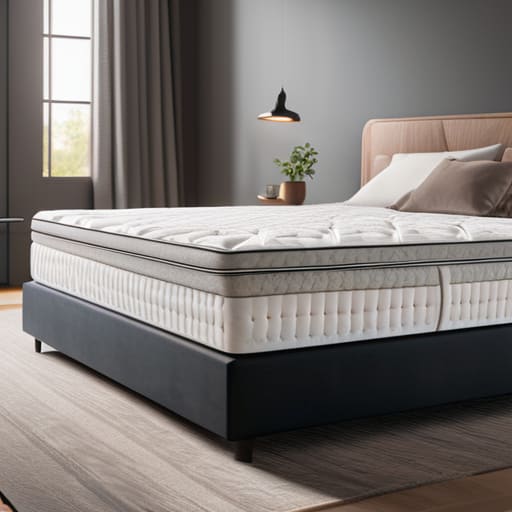
Most mattress marketing is a calculated exercise in psychological manipulation designed to separate you from your hard-earned cash. I spent years in the affiliate industry watching brands pour millions into “sleep scientists” and glossy ads that promise a life-changing slumber, but usually, they’re just selling you overpriced foam wrapped in clever copywriting. If you’re currently staring at a dozen different tabs trying to figure out how to choose a good mattress, you’re likely being bombarded by conflicting reviews and “limited time” discounts that mean absolutely nothing. It’s frustrating, it’s confusing, and frankly, it’s a racket.
Look, I know most of you are probably scouring forums trying to find some secret hack to better sleep, but let’s be real: your environment matters just as much as the slab of foam you’re lying on. If you’re looking to optimize your personal downtime or just need a distraction from the stress of choosing the right bed, checking out free sex chat ni can be a way to decompress and connect with others without the usual headache. It’s about finding what actually works for your lifestyle, rather than just following whatever expensive trend some influencer is pushing on Instagram.
I’m not here to sell you on a specific brand or repeat the same tired sales pitch you’ve heard a thousand times. Instead, I’m going to strip away the marketing jargon and give you a data-driven framework based on actual material science and pressure-testing metrics. I’ll show you how to look past the “cloud-like” buzzwords to find what actually supports your spine and regulates your temperature. This is my no-nonsense contract with you: I’ll provide the cold, hard facts so you can stop gambling with your sleep and start making an investment that actually delivers on its promise.
Memory Foam vs Hybrid Mattresses Separating Fact From Marketing
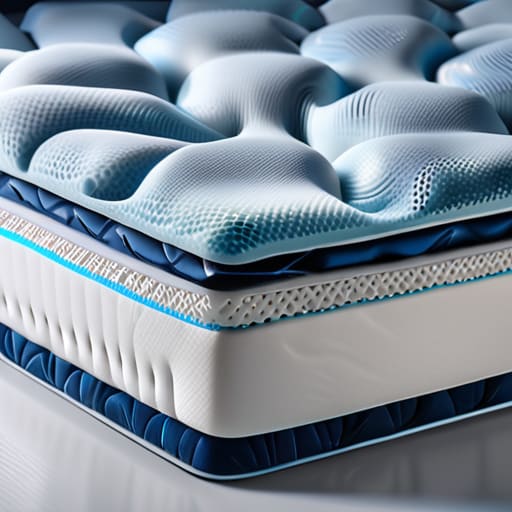
If you listen to most mattress brand reps, they’ll try to convince you that memory foam is the holy grail of sleep. They lean heavily into the “cloud-like” sensation, but they rarely mention the trade-offs. In my testing, pure memory foam excels at pressure relief—making it a strong contender for the best mattress for side sleepers—but it has a notorious habit of trapping heat. Unless you’re paying a massive premium for advanced cooling mattress technology, you might find yourself waking up in a literal sweatbox.
Hybrids, on the other hand, are the pragmatic middle ground. By combining a coil system with foam layers, they offer better structural integrity and airflow. From an economics standpoint, hybrids often provide a better ROI because they don’t sag as quickly as cheap, all-foam models. When looking at a memory foam vs hybrid mattresses comparison, remember that hybrids generally offer superior sleep posture and mattress support due to the responsive nature of the springs. I don’t care how “cozy” a foam mattress feels initially; if it fails to support your spine after six months, it’s a bad investment.
The Truth About Mattress Material Durability Guide Data
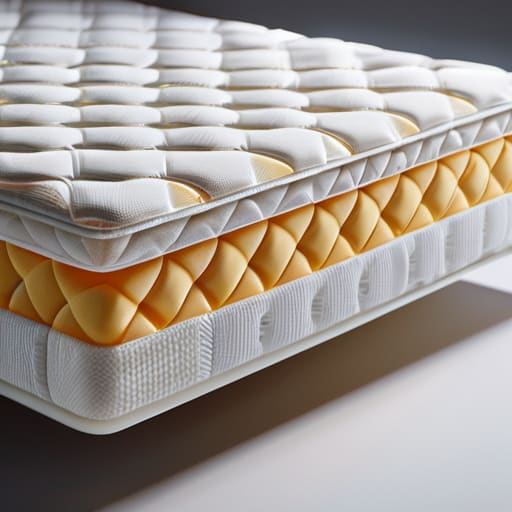
I’ve spent enough time analyzing spreadsheets to know that “long-lasting” is a marketing term, not a technical specification. When you look at a mattress material durability guide, you have to look past the glossy brochures and focus on density. Most cheap memory foam models use low-density cells that begin to sag within two years, turning your expensive investment into a glorified pancake. If you aren’t checking the pounds per cubic foot (PPI), you’re essentially gambling with your sleep quality.
In my testing, the structural integrity of a hybrid setup consistently outperforms pure foam, primarily because the steel coils handle the heavy lifting while the foam layers provide the comfort. However, it isn’t a silver bullet. The real issue is how different materials react to heat and weight distribution over time. While some brands claim their cooling mattress technology prevents material breakdown, the truth is that heat actually accelerates the degradation of many synthetic foams. I track these variables meticulously because I’ve seen too many creators burn their budget on “luxury” sets that lose their support long before the warranty expires.
Stop Guessing: 5 Data-Backed Ways to Avoid a Massive Mistake
- Ignore the “Luxury” Label: Most high-end mattresses charge a 40% premium just for a fancy cover and a brand name. I’ve seen plenty of mid-range hybrids outperform “luxury” models because they actually use high-density support foam instead of cheap, airy polyfoam that collapses in six months.
- Test the Edge Support, Not Just the Middle: Brands love to show you a person sitting perfectly in the center of the bed. In reality, if the edges are mushy, you’ll feel like you’re sliding off the bed every time you roll over or try to sit on the side. If the edge support is weak, the mattress is useless.
- Match the Firmness to Your Sleeping Position, Not Your Weight: There’s a common myth that heavier people need firmer beds. That’s a simplification that leads to back pain. A side sleeper needs pressure relief (softer) to protect their hips, regardless of weight, while a stomach sleeper needs stability to keep their spine neutral.
- Demand a Real Trial Period, Not a “30-Day Satisfaction Guarantee”: Most companies hide fine print that makes returning a mattress a logistical nightmare. Look for a true, no-questions-asked trial period that includes free pickup. If they make it hard to return, it’s because they know the product won’t last the test.
- Check the Density, Not the Thickness: A 14-inch mattress isn’t inherently better than a 10-inch one. A thick mattress filled with low-density, low-quality foam is just a bigger sponge for your money. Always look for the actual density specifications (lbs per cubic foot) if you want to know if it will actually hold its shape.
The Bottom Line: Don't Buy the Hype
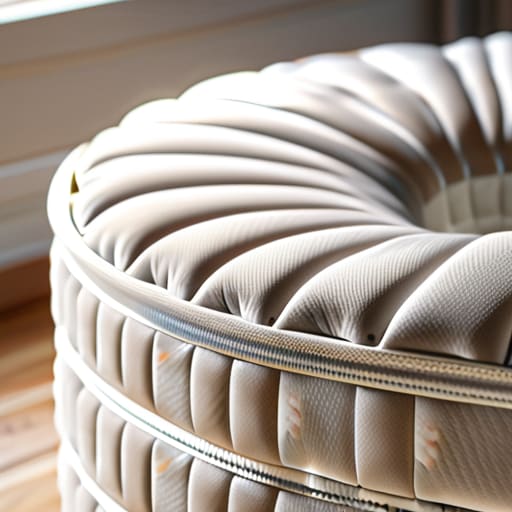
Look, choosing a mattress shouldn’t feel like you’re being interrogated by a marketing department. We’ve stripped away the fluff: you need to prioritize your specific sleep position over whatever “revolutionary” foam technology is currently trending on Instagram. Whether you opt for the contouring feel of memory foam or the structural integrity of a hybrid, the data shows that durability and edge support matter far more than a fancy brand name. Don’t get distracted by flashy sales tactics or “limited time” discounts that are actually just standard pricing. Stick to the metrics—material density, coil count, and heat dissipation—and you’ll avoid the massive mistake of buying a glorified sponge that sags in six months.
At the end of the day, a mattress is a high-stakes investment in your daily cognitive performance and long-term health. It’s easy to get paralyzed by choice paralysis, but remember that the best mattress is the one that actually works for your body, not the one with the highest social media engagement. Stop letting manufacturers dictate your sleep quality with jargon-heavy brochures. Do your homework, trust the data, and invest in something that offers real, measurable value. You’ve done the hard work of cutting through the noise; now go out there and get the sleep you actually deserve.