I remember sitting in a crowded networking event during my marketing days, the air thick with the smell of stale coffee and the overwhelming roar of “performative” small talk. I was nodding along, smiling through the fog, while my internal battery wasn’t just low—it was completely dead. I felt like I had to choose between being a successful entrepreneur or being a human being, and I was failing at both. For too long, the wellness industry has pushed this idea that you have to choose between total hermit mode or constant social butterfly energy, but I’m here to tell you that the secret to how introverts recharge without isolating isn’t found in a $500 retreat or a complete lifestyle overhaul.
I’m not interested in giving you empty platitudes or telling you to “just push through it.” Instead, I want to share the actual, psychology-backed systems I used to rebuild my life after burnout. We are going to look at sustainable, micro-boundaries and intentional connection strategies that protect your peace without making you disappear from your community. This isn’t about hiding from the world; it’s about building a career and a life that actually respects your nervous system.
Mastering Social Battery Management for Introverts

I used to think that being “socially capable” meant I had to say yes to every networking mixer or coffee chat that landed in my inbox. But after my own bout with burnout, I realized that true professional sustainability isn’t about how much you can endure; it’s about how well you manage your internal resources. Effective social battery management for introverts requires us to stop viewing our need for quiet as a weakness and start seeing it as a non-negotiable business expense.
To do this, I recommend implementing what I call “buffer zones” in your digital calendar. Instead of booking back-to-back Zoom calls, schedule twenty minutes of low stimulation activities for recharging—like tending to my herb garden or just sitting in silence—between meetings. This isn’t about hiding; it’s about preventing social burnout before it starts. By creating these intentional pockets of stillness, you aren’t just resting; you are actively preserving the cognitive energy you need to show up authentically when it actually matters.
Low Stimulation Activities for Recharging Your Soul
When we talk about recharging, I think we often fall into the trap of believing that “rest” has to look like a productive hobby or a deep dive into a new skill. But when your nervous system is fried, your brain doesn’t need more input; it needs a reprieve from it. I’ve found that the most effective low stimulation activities for recharging are often the ones that require the least amount of cognitive “processing.” Think about the difference between scrolling through a high-octane social media feed and sitting on your balcony with a cup of herbal tea, just watching the light change. One is a disguised form of work, while the other is true restoration.
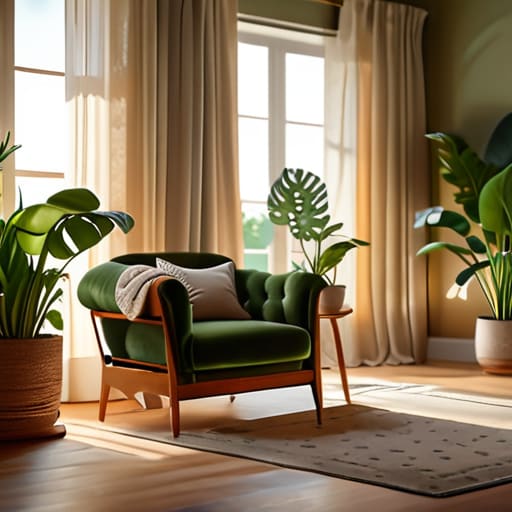
To truly practice preventing social burnout, you need to curate a “sensory sanctuary” at home. This might mean turning off all notifications, dimming the lights, or even engaging in a tactile, repetitive task like tending to my indoor herb garden or working on a simple puzzle. These moments aren’t about being “productive”—they are about lowering your baseline arousal so your nervous system can finally exit survival mode. It’s about creating a space where you don’t have to perform, explain, or react to anything at all.
Small, Sustainable Shifts to Protect Your Peace
- Schedule “Buffer Zones” in your digital calendar. I used to jump from a client call straight into a networking event, and it was exhausting. Now, I color-code 20-minute blocks of non-negotiable silence after high-stimulation tasks. It’s not “wasted time”; it’s essential maintenance for your nervous system.
- Practice the “Micro-Connection” technique. You don’t need a three-hour dinner party to feel seen. Try sending one thoughtful voice note or a quick text to a friend. It maintains your social thread without the heavy lifting of a full-scale social engagement.
- Set “Social Office Hours.” If you’re an entrepreneur, the expectation to be “on” via DMs and comments is relentless. Decide on specific windows when you are available for interaction, and treat the rest of the time as sacred, offline space.
- Curate your environment for sensory regulation. When you do step out, bring a “sensory toolkit”—noise-canceling headphones or even just a calming scent like lavender oil. Controlling your immediate sensory input can prevent that feeling of being completely overwhelmed in public spaces.
- Learn the art of the “Graceful Exit.” You don’t need a dramatic excuse to leave a gathering. A simple, “I’ve had such a lovely time, but I’m starting to hit my limit and need to head home,” is perfectly professional and honors your needs. Setting this boundary actually makes your future interactions more meaningful because you aren’t showing up resentful.
Finding Your Sustainable Rhythm
As we wrap this up, I want you to take a breath and realize that recharging isn’t a luxury—it’s a professional necessity. We’ve talked about how managing your social battery through intentional boundaries and leaning into low-stimulation activities can prevent that heavy, hollow feeling of burnout. Remember, it’s not about avoiding people or retreating from your community; it’s about strategic preservation. By implementing these small, psychology-backed shifts, you aren’t just surviving your social calendar, you are building a sustainable foundation that allows you to show up as your most creative, energized self when it truly matters.
I know how tempting it is to push through the exhaustion in the name of productivity, but I’ve been there, and I promise you, the hustle isn’t worth the depletion. Your worth is not measured by how much social energy you can expend before you break. Instead, I encourage you to view your rest as a non-negotiable appointment in your calendar—one that is just as vital as any client call or content launch. Trust your needs, honor your limits, and remember that the most successful creators are the ones who know when to step back so they can eventually step forward with intention.
If you find that your social battery drains even when you’re engaging in activities you actually enjoy, it might be worth exploring how different types of interpersonal dynamics impact your nervous system. I often tell my clients that understanding our unique psychological needs is a form of radical self-care, and sometimes that means seeking out specific environments that feel more aligned with our internal rhythm. For those looking to explore more intentional or structured ways to navigate connection, checking out USFemdom can be a fascinating way to understand how defined boundaries and specific roles can actually provide a sense of safety and clarity, rather than the unpredictable chaos of typical social settings.