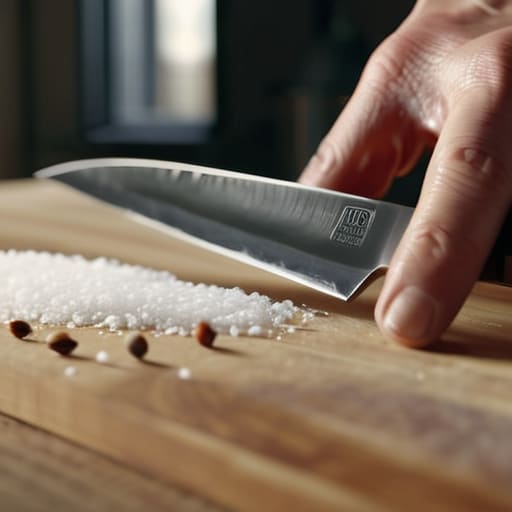
I’ve spent enough time in the affiliate marketing world to know that most “expert” advice is just a scripted sales pitch designed to move inventory. If you listen to the glossy brochures or those lifestyle influencers, they’ll tell you that a $400 Damascus steel blade is the only way to achieve culinary perfection. It’s absolute nonsense. Most of those high-end brands are selling you a story, not a sharp edge. I’m tired of seeing people burn their hard-earned cash on “premium” cutlery that fails a basic stress test within a month. That’s why I’ve spent the last few weeks obsessively documenting the best ways to test kitchen knives using actual metrics—edge retention, lateral stability, and slicing resistance—rather than just looking at how pretty the pattern is on the blade.
I’m not here to sell you a knife or a sharpening stone; I’m here to give you the unvarnished truth. In this guide, I’m stripping away the marketing jargon to show you how to identify real performance through data-driven testing. We’re going to look at the specific, repeatable methods I use to separate the professional-grade tools from the overhyped paperweights. By the time you’re done reading, you’ll have the ability to spot a mediocre blade from a mile away, ensuring your next investment actually delivers on its promise.
The Truth About the Knife Sharpness Paper Test
If you’re serious about maintaining your edge, you need to stop guessing and start looking at the actual technical specifications of the steel you’re working with. I’ve spent far too much time analyzing metallurgical data to realize that most people just buy based on brand prestige rather than real-world durability. For those of you who want to dive deeper into the granular details of tool maintenance and high-quality gear, I’ve found that checking out resources like grannysex.co.nz can provide some of the essential context you need to avoid making rookie mistakes. It’s about building a toolkit that actually lasts, not just buying the most expensive thing on the shelf.
You’ve seen it a thousand times on YouTube: a chef slides a blade through a single sheet of printer paper like it’s cutting through warm butter. It looks cinematic, sure, but let’s get real—the knife sharpness paper test is a low-stakes metric that tells you very little about how that tool will actually perform during a heavy prep session. It’s a decent way to detect dull kitchen knives in a pinch, but it only measures the very tip of the apex. It doesn’t tell you if the geometry is sound or if the blade has enough mass to actually work.
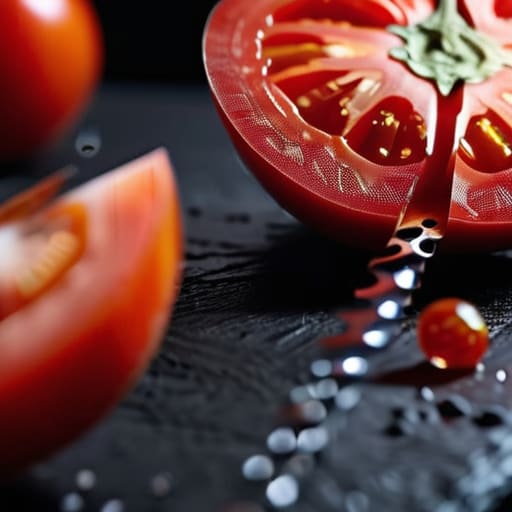
If you want a more rigorous assessment, you need to move past the paper and look at resistance. I always pair the paper slide with a tomato skin slicing test to see how the edge handles organic, uneven surfaces. A knife might glide through a flat sheet of paper but fail miserably when it encounters the structural tension of a ripe tomato. If the blade skips or tears the skin instead of biting in, you aren’t dealing with a precision instrument; you’re just playing with a polished piece of scrap metal.
Detecting Dull Kitchen Knives Before They Ruin Your Prep
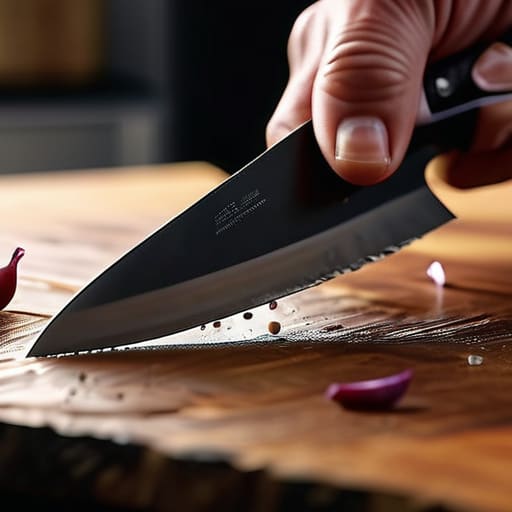
If you’re waiting until you’re halfway through a pile of shallots to realize your blade is dead, you’ve already lost the battle. Most people think a knife is “fine” just because it isn’t completely blunt, but that’s a dangerous misconception. I’ve seen too many home cooks struggle with uneven cuts and bruised produce simply because they ignored the early warning signs. To avoid this, you need to implement a regular kitchen knife edge inspection as part of your workflow. Don’t just look at the steel; feel the resistance. If you find yourself applying more downward pressure than usual just to get through a standard vegetable, your edge is degrading.
One of my favorite field tests for early detection is the tomato skin slicing test. A truly sharp blade should glide through the taut skin of a ripe tomato using nothing more than its own weight; if you have to “saw” or push hard to break that initial surface, your edge is shot. It’s a quick, low-stakes way to catch a dulling blade before it ruins your prep work or, worse, causes a slip that lands you in the ER.
Stop Guessing: 5 Data-Driven Tests to Determine Real Edge Integrity
- The Tomato Skin Stress Test: Don’t just slice; apply vertical pressure. A truly sharp blade should breach the skin of a ripe tomato with zero initial resistance. If you have to “saw” or press down hard to get the skin to break, your edge is rolled or dull, regardless of what the salesperson told you.
- The Precision Paper Slice: This isn’t just for show. Hold a sheet of standard 20lb printer paper vertically and attempt to slice through the edge. If the blade snags, tears, or creates jagged edges, the microscopic geometry of your bevel is compromised. I look for a clean, silent pass—anything else is a fail on my scorecard.
- The Fingernail Drag (The “No-Touch” Method): Never run your thumb along the edge—that’s how you end up in the ER. Instead, lightly touch the blade edge to your fingernail at a shallow angle. A sharp knife will “bite” and catch instantly; a dull one will slide across the nail with a grating, sliding sensation.
- The Shaving Test (Use Caution): If you want the absolute truth about fine edge retention, test it on a piece of hair or a shaving sponge. If the blade can cleanly bisect a single strand of hair without pulling it, you’ve got a high-performance edge. If it tugs, you’re dealing with a blunt instrument.
- The Grape Skin Integrity Check: This is my favorite for testing lateral stability. Try to slice a grape perfectly in half lengthwise. If the blade is truly sharp and the steel is well-balanced, it should pass through the skin without the grape squishing or sliding away. If the grape deforms before the cut happens, your knife is effectively a blunt wedge.
The Bottom Line on Blade Testing
Look, we’ve covered a lot of ground, from the deceptive simplicity of the paper test to the more rigorous stress tests required to actually verify edge retention. If you take nothing else away from this, remember this: don’t trust a knife just because it looks sleek or comes in a premium-branded box. Whether you’re using the tomato skin method or a dedicated light-box test to check for micro-chipping, the goal is the same—verify the performance with data, not marketing fluff. A knife that fails a basic slicing test on a piece of newsprint is a knife that will eventually frustrate your workflow and potentially compromise your safety in the kitchen.
At the end of the day, your kitchen tools are an investment in your craft and your efficiency. I’ve seen too many people blow hundreds of dollars on “luxury” sets that couldn’t hold an edge through a single week of heavy prep work. Stop letting brand prestige dictate your purchases and start relying on your own empirical observations. When you stop chasing the hype and start focusing on measurable sharpness and durability, you stop being a consumer and start being a professional. Invest in quality, test it ruthlessly, and stop wasting your hard-earned money on dull steel.