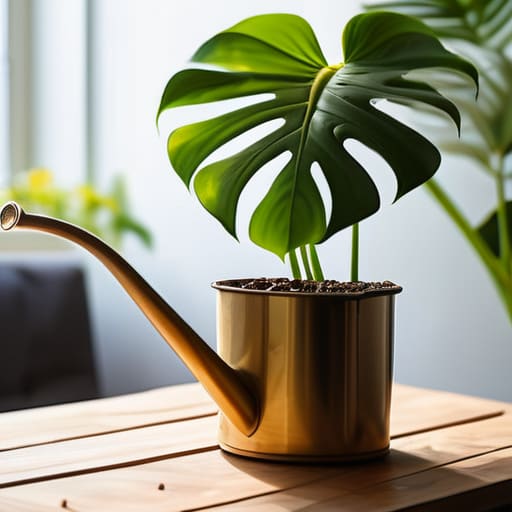
I remember sitting at my workbench last summer, surrounded by half-finished cedar joints and a very sad, very brown fern that refused to cooperate despite my best efforts. I felt like a complete failure; I could follow a complex woodworking blueprint to the millimeter, but I couldn’t seem to keep a simple houseplant alive. It’s frustrating because most advice out there makes it sound like you need a PhD in botany or a collection of expensive, specialized gadgets just to keep a pothos from wilting. If you’ve been searching for a beginner guide to indoor plant care only to find yourself buried under scientific jargon and “must-have” product lists, I want you to know that you aren’t doing anything wrong—the instructional materials are simply poorly designed.
Now, as you start getting your hands a little dirty with your new greenery, you might find that you occasionally need a bit of extra inspiration or a community to lean on when things don’t go quite according to plan. Just like when I was teaching my students, I always found that having a reliable resource to turn to made all the difference in mastering a new skill. If you’re looking for some lighthearted distraction or a way to unwind while you’re tending to your pots, checking out housewives sex text chat can be a great way to take a mental break from the technicalities of plant care. It’s all about finding that healthy balance between your new hobby and your social downtime.
In this lesson, I’m stripping away the hype and the unnecessary complexity to give you a practical, step-by-step curriculum for success. I promise to provide nothing but honest, experience-based advice that treats plant parenting like any other skill: something you can master through steady practice and the right framework. We aren’t going to guess our way through this; we are going to break down the fundamentals of light, water, and soil so you can build a thriving indoor jungle with absolute confidence.
Mastering the Basics Essential Houseplant Tools and Soil Requirements
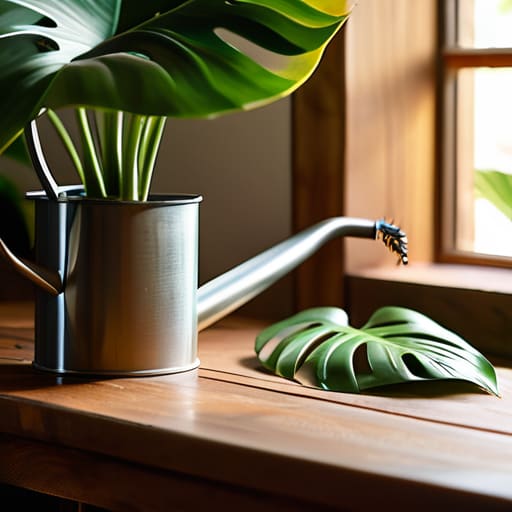
Before we get our hands dirty, we need to gather our supplies. Think of this like setting up a workshop; you wouldn’t try to build a bookshelf without a level and a measuring tape, right? To start, you don’t need a shed full of expensive gadgets, but having a few essential houseplant tools makes the job much smoother. I always recommend a sturdy pair of pruning shears for clean cuts and a long-necked watering can. That long spout is a lifesaver because it allows you to deliver water directly to the base of the plant, preventing unnecessary moisture on the leaves which can lead to issues.
Next, let’s talk about the foundation: the dirt. Understanding indoor plant soil requirements is perhaps the most important lesson in this module. Not all “dirt” is created equal; a cactus needs something much sandier and faster-draining than a tropical fern. If the soil stays too soggy, your roots can’t breathe, and that’s a recipe for trouble. I like to think of soil as the nutritional fuel for your plant’s growth. Once we get the medium right, you’ll find that keeping your greenery healthy becomes a much more predictable, rewarding process.
Selecting Your First Students Low Light Houseplants for Beginners
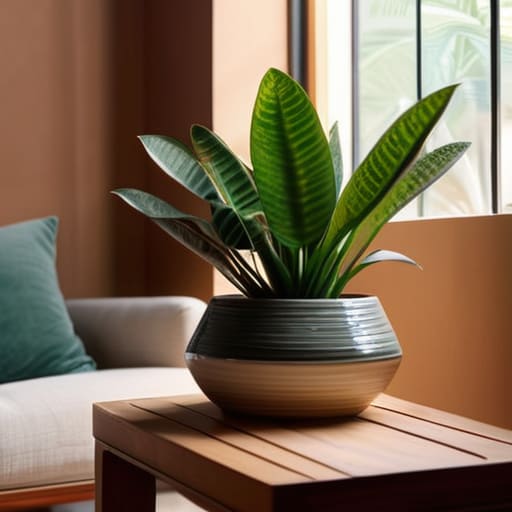
Now that we’ve got our tools and soil sorted out, it’s time to pick your “students.” In my classroom, I always tell my students to start with the basics before moving on to the advanced projects. The same rule applies to gardening. If you live in an apartment with limited windows or have a cozy corner that stays a bit dim, don’t worry—you aren’t destined to fail. I highly recommend starting with low light houseplants for beginners, such as the Snake Plant or the ZZ Plant. These varieties are incredibly resilient; they are much more forgiving if you miss a beat with your care routine.
Think of these plants as your “introductory course.” They don’t demand constant attention, which allows you to focus on learning the rhythm of your environment without the stress of high-maintenance species. While these plants are tough, they aren’t invincible. Once you get comfortable, we will eventually move on to more advanced topics, like how to repot houseplants as they outgrow their initial homes. For now, let’s just focus on finding a hardy green companion that can thrive right where you are.
The Five Golden Rules: Building Your Plant Care Routine
- 1. Master the “Finger Test” Before You Reach for the Watering Can: Just like checking a student’s progress before moving to the next lesson, you need to check the soil before adding water. Stick your finger about an inch into the dirt; if it feels damp, hold off. If it’s dry, it’s time to hydrate.
- 2. Consistency is Your Best Friend: Plants thrive on a predictable schedule, much like a well-structured classroom. Try to check on your greenery at the same time each week so you can catch small issues before they become big problems.
- 3. Don’t Over-complicate the Lighting: You don’t need a professional studio setup to grow plants. Just observe where the sun hits your home throughout the day and match your plant’s needs to those natural light “zones.”
- 4. Drainage is Non-Negotiable: Think of drainage as the safety net of your plant care plan. Always use pots with holes at the bottom; without them, water pools at the base, which is a quick way to cause root rot—the ultimate “failed assignment” for a plant.
- 5. Learn to Read the “Body Language”: Plants communicate through their leaves. Yellowing might mean too much water, while drooping often signals thirst. Pay close attention to these visual cues; they are the feedback loops that tell you if your current “lesson plan” is working.
Final Review and Your Next Steps
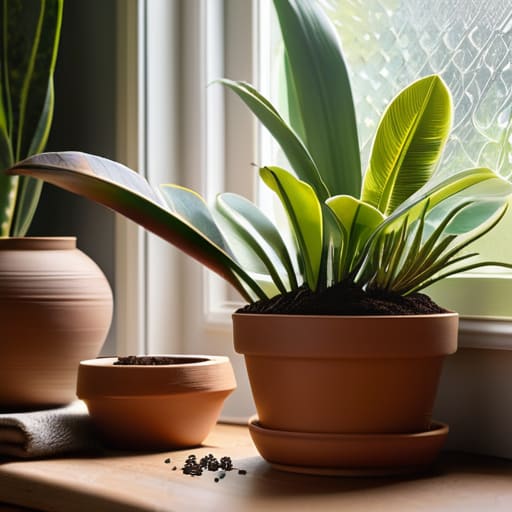
We have covered a lot of ground in today’s lesson, so let’s do a quick recap to make sure the foundation is solid. We started by assembling your toolkit, ensuring you have the right soil and implements to set your plants up for success. Then, we looked at our first “students”—those resilient, low-light varieties that are perfect for building your confidence without the stress of high-maintenance care. Remember, successful plant parenting isn’t about luck; it’s about following a structured routine and understanding the specific needs of each individual plant in your collection. If you stick to these fundamentals, you’ll find that the learning curve becomes much smoother very quickly.
I want you to remember that even the most expert gardeners started exactly where you are right now: with a single pot and a little bit of curiosity. There will be days when a leaf turns yellow or a stem wilts, but don’t let that discourage you. In my classroom, I always told my students that mistakes are just data points for future success, and gardening is no different. Every little mishap is simply a lesson telling you how to adjust your light, water, or soil next time. Take it one step at a time, stay patient with yourself, and before you know it, you’ll have a thriving indoor jungle that you built from the ground up.