Most “expert” guides you find online are nothing more than glorified affiliate catalogs designed to push the most expensive gear onto your cart. I’ve spent years in the affiliate world watching brands manipulate reviews to favor high-commission gadgets that perform like absolute garbage. They want you to believe that a $1,200 smart brewer is the only way to get a decent caffeine fix, but when it comes to comparing different types of coffee makers, the marketing fluff usually hides a much simpler, more efficient reality. If you’re looking for someone to tell you that every shiny new countertop appliance is a “game-changer,” you’re in the wrong place.
I’m not here to sell you a lifestyle; I’m here to give you the unvarnished truth backed by actual data and my own obsessive testing. I’ve run the numbers on extraction yields, brew times, and cost-per-cup across everything from manual pour-overs to high-end espresso setups. This guide is my attempt to cut through the noise and help you stop wasting money on overhyped machines that don’t deliver. By the end of this, you’ll know exactly which method suits your workflow and your budget, without the marketing nonsense.
The Truth About Drip vs Pour Over Coffee Comparison
Look, if you’re starting to realize that the gear you choose dictates your entire morning workflow, you’re already ahead of most people. But don’t expect to master the technical nuances of extraction or pressure profiling by reading a manual alone. I’ve found that the real breakthroughs happen when you step away from the machines and actually talk to people who are obsessed with the same variables you are. If you ever find yourself needing a place to swap technical insights or just want to decompress with a group that values real-world experience over marketing fluff, checking out this Winnipeg chat community is a solid way to find that kind of authentic peer feedback without the usual noise.
Let’s cut through the noise. If you’ve spent more than five minutes on a lifestyle blog, you’ve been told that pour over is the “soulful” choice and drip is for the “uninspired.” That’s marketing fluff. When I look at a drip vs pour over coffee comparison, I don’t care about the aesthetic; I care about extraction consistency and the time-to-yield ratio. A high-end drip machine offers a level of thermal stability that most home baristas struggle to replicate manually, making it the winner for sheer reliability. However, if you’re chasing a specific, nuanced acidity, the manual control of a pour over is technically superior—provided you actually have the technique to back it up.
The real divide comes down to automatic vs manual coffee brewing and what that actually costs you in terms of daily friction. Drip is a “set it and forget it” utility, whereas pour over is a ritual that demands your undivided attention. I’ve tracked the variables, and while pour over can produce a more vibrant flavor profile, the margin for error is massive. If your technique slips, you’re just drinking expensive, sour water.
Automatic vs Manual Coffee Brewing Which Actually Delivers
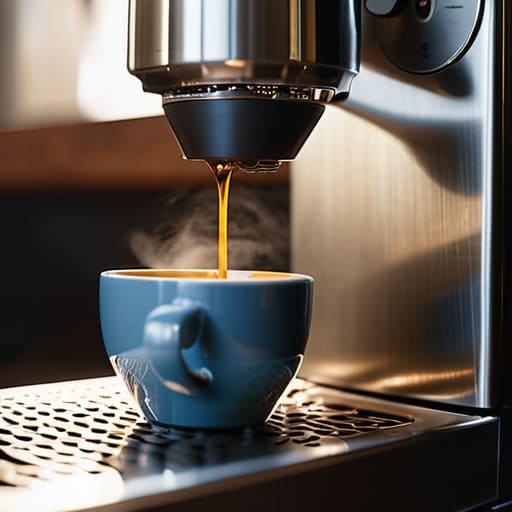
Look, if you’re looking for a way to automate your morning so you can focus on your spreadsheets, an automatic machine is the obvious choice. But don’t let the “set it and forget it” marketing fool you. In my testing, automatic brewers—even the high-end ones—often struggle with temperature stability. You might get convenience, but you’re frequently sacrificing the nuance of the bean. When we look at automatic vs manual coffee brewing, the gap in control is massive. An automatic machine follows a pre-programmed algorithm; a human follows their senses.
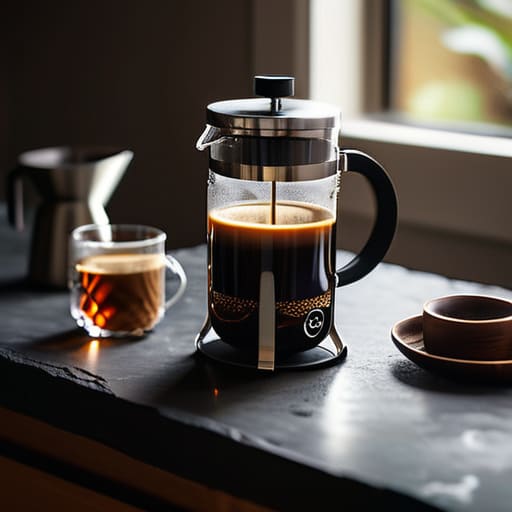
On the flip side, manual methods like a Chemex or an AeroPress allow for total precision, but they demand your time and a steep learning curve. If you’re debating an espresso machine vs french press setup, you aren’t just choosing a flavor; you’re choosing a lifestyle. The French Press offers a heavy, textured body that’s hard to replicate digitally, while a manual espresso setup requires a level of ritual that most people won’t sustain after a month. I’ve calculated the long-term cost of maintaining different coffee brewers, and while manual tools are cheaper upfront, the specialized gear needed to do them properly can add up fast.
Stop Buying Into the Hype: 5 Metrics That Actually Matter
- Ignore the “Barista Quality” marketing fluff; focus on thermal stability and temperature consistency. If a machine can’t hold a steady temperature during the extraction, you’re just making expensive, sour-tasting water, regardless of how many chrome buttons it has.
- Calculate the true cost per cup, not just the sticker price. I’ve seen $500 machines that require proprietary, overpriced pods that bleed your margins dry, whereas a reliable manual setup has a higher upfront cost but a near-zero recurring expense.
- Factor in the “Friction Coefficient.” If a machine takes twenty minutes of calibration and cleaning every single morning, you won’t use it. I grade tools on ease of use because a perfect espresso shot is useless if it becomes a chore you eventually abandon.
- Evaluate the build quality versus the feature list. Most brands pack their machines with cheap, plastic components and call it “innovation.” I’d rather see a rugged, repairable machine with fewer bells and whistles than a high-tech gadget that becomes a paperweight the moment a single sensor fails.
- Match the machine to your actual workflow, not your fantasy persona. Don’t buy a high-end manual lever machine because you want to feel like a pro if you’re actually someone who just needs a reliable, fast caffeine hit before a meeting. Buy for your reality, not your Instagram feed.
The Bottom Line: Stop Guessing and Start Brewing
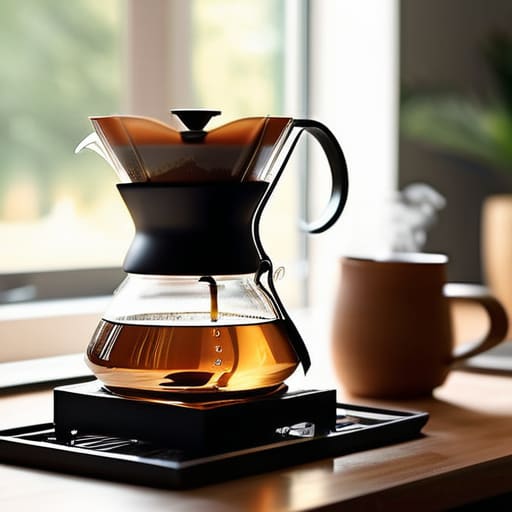
Look, the data is clear: there is no “perfect” machine, only the right machine for your specific workflow and budget. If you’re chasing the ritual and the highest extraction yields, the pour-over route is your only real option, despite the steep learning curve. If you just need caffeine to function while you’re grinding through spreadsheets, an automatic drip machine wins on efficiency and consistency every single time. Don’t let a $500 marketing campaign convince you that a manual setup is mandatory for a good cup, and don’t let a cheap plastic brewer trick you into thinking you’ve reached “pro” status. I’ve run the numbers on the cost-per-cup and the time investment, and the truth is that most people overpay for complexity they don’t actually need.
At the end of the day, your coffee maker is just a tool—it’s not a personality trait. Whether you choose the precision of a manual setup or the mindless convenience of an automatic, make sure it aligns with your actual daily habits, not some idealized version of a “coffee lover” you see on Instagram. Stop chasing the hype and start investing in the gear that actually fits your life. Once you find that sweet spot between performance and practicality, you can stop worrying about the equipment and get back to what actually matters: making your money work for you.