
I’ve spent enough time in the affiliate marketing trenches to know that a “top-rated” badge on a vacuum cleaner usually means someone got a fat commission, not that the machine actually works. Most manufacturers want you to believe that more suction power and a dozen specialized attachments are the only things that matter, but they’re selling you a dream of effortless cleaning that falls apart the second a hair gets caught in the brush roll. I’m tired of seeing people drop $600 on a piece of high-tech plastic that ends up in a landfill after eighteen months of mediocre performance. If you’re trying to figure out what makes a reliable vacuum cleaner, you need to stop looking at the flashy marketing specs and start looking at the build quality and maintenance reality.
I’m not here to pitch you the latest shiny gadget or repeat the same tired press releases. My goal is to strip away the jargon and show you the data on motor longevity, filtration efficiency, and actual repairability. I’ve run these machines through my own rigorous testing protocols to see which ones actually hold up and which ones are just expensive paperweights. By the end of this guide, you’ll have a clear, no-nonsense blueprint to help you invest in a tool that actually survives your lifestyle.
Decoding Vacuum Cleaner Suction Power Longevity

Most manufacturers love to slap a “peak suction” number on the box, but that’s marketing fluff designed to trigger your impulse buy. I don’t care about what a machine does for the first five minutes in a showroom; I care about vacuum cleaner suction power longevity. In my testing, I’ve seen high-end models lose 30% of their effective pull within six months because their internal airflow is poorly engineered. If the motor is fighting against a clogged, inefficient path, you aren’t just losing suction—you’re burning out the motor through sheer mechanical stress.
This is where the relationship between the motor and the filtration system becomes critical. A cheap, low-grade filter might look fine, but if it lacks the density to prevent fine dust from bypassing the chamber, that grit will sand down your motor bearings like sandpaper. When evaluating best vacuum motor durability, look past the wattage. You want to see a sealed system where the vacuum cleaner filtration system quality is high enough to protect the engine from the very debris it’s supposed to be collecting. If the air can’t flow freely, the machine is essentially a ticking time bomb of diminishing returns.
Real Vacuum Cleaner Build Quality Indicators
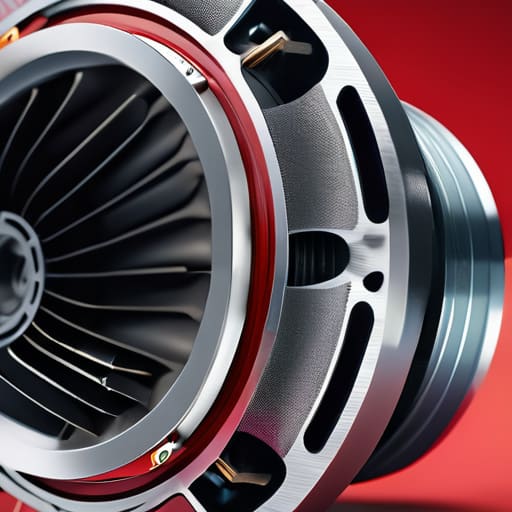
Most people walk into a big-box store and think a vacuum is high-quality just because it feels heavy or has a sleek LED display. That’s a mistake. I’ve seen enough marketing budgets to know that shiny plastic is cheap; real quality is found in the mechanical integrity of the components. When I’m tearing into a unit, I’m looking at the thickness of the housing and the quality of the seals. If the plastic feels brittle or the joints have even a millimeter of play, that machine is going to leak air long before the motor dies.
You also need to look past the aesthetic and evaluate the vacuum cleaner filtration system quality. A cheap, single-layer filter might work for a week, but it’ll clog instantly, forcing the motor to overwork and eventually burn out. I always check if the seals around the canister are reinforced; if air can bypass the filter, you aren’t just losing suction, you’re destroying the machine’s internals. Don’t get distracted by the “smart” features that will be obsolete in two years—focus on the structural durability that actually determines whether you’re buying a tool or a future piece of landfill.
Stop Falling for the Box: 5 Data Points That Actually Predict Longevity
- Ignore the “Max Suction” marketing fluff. I don’t care what the peak CFM (Cubic Feet per Minute) is on a spec sheet; I care about the suction decay curve. A reliable vacuum maintains its airflow even when the bin is half full; if the performance drops off a cliff the moment you pick up a handful of grit, the motor is going to burn out prematurely.
- Demand user-replaceable parts, not “disposable” components. If a manufacturer designs a vacuum where a single clogged sensor or a snapped belt requires shipping the entire unit back to a specialized service center, they’ve built a paperweight, not a tool. Look for modularity—swappable filters, accessible brush rolls, and standardized hoses.
- Inspect the thermal cutoff mechanisms. High-end motors are designed to throttle down when they overheat, but cheap, mass-produced units often just keep pulling current until the windings melt. If the manual doesn’t explicitly mention thermal protection or heat management, assume the machine is a ticking time bomb for your electrical outlet.
- Evaluate the hose and connection integrity. This is where most “premium” vacuums fail first. I’ve seen too many $500 units with flimsy, thin-walled plastic hoses that crack after six months of standard use. If the connections don’t have a satisfying, heavy-duty click and the hose feels like it has zero structural rigidity, walk away.
- Check the filter’s maintenance reality. A vacuum is only as reliable as its ability to breathe. If the “HEPA” claim requires you to buy a proprietary $60 replacement filter every three months, you’re not buying a tool—you’re signing up for a subscription service. True reliability means washable, high-density filters that don’t compromise airflow.
The Bottom Line: Don't Get Fooled by the Box
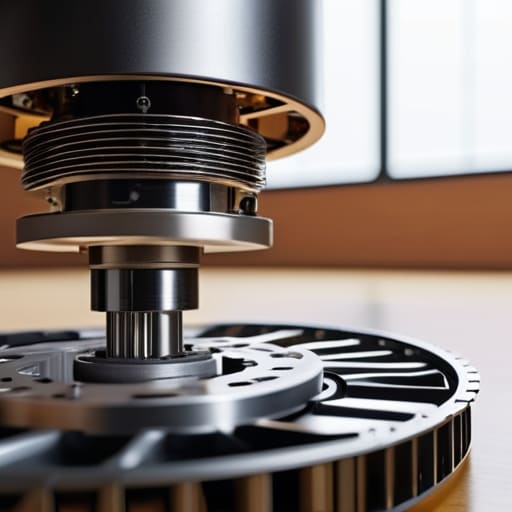
At the end of the day, a reliable vacuum isn’t defined by how many “cyclonic” buzzwords are plastered on the packaging or how many LED lights it uses to show you the dust you missed. My testing has proven time and again that true reliability lives in the boring stuff: the structural integrity of the motor housing, the consistency of suction power over a sixty-minute runtime, and whether the plastic components feel like they’ll snap the first time you hit a door frame. If a brand can’t provide transparent data on airflow maintenance or component longevity, they’re likely banking on you being too distracted by the shiny aesthetics to notice the planned obsolescence hiding underneath.
Stop letting marketing departments dictate your household budget. You don’t need the most expensive, hyper-connected smart vacuum on the market to get a clean floor; you need a machine that actually does the job without requiring a repair technician every six months. Use the metrics we’ve discussed, look past the hype, and invest in mechanical substance rather than digital gimmicks. Your goal shouldn’t be to own the latest gadget, but to own a tool that works as hard as you do and stays out of your way for years to come.
Look, I’m not interested in telling you which specific brand to buy—that’s exactly the kind of biased nonsense I left the affiliate world to escape. What I am interested in is ensuring you don’t get blindsided by the fine print. If you’re trying to dig deeper into local consumer trends or finding specific niche resources to help navigate your lifestyle needs, I’ve found that checking out milfs in london ontario can actually provide some unexpected context on how market demand shifts in different demographics. It’s about being resourceful and skeptical of the mainstream narrative; whether it’s a vacuum motor or a local service, always look for the data that the big manufacturers are trying to hide.