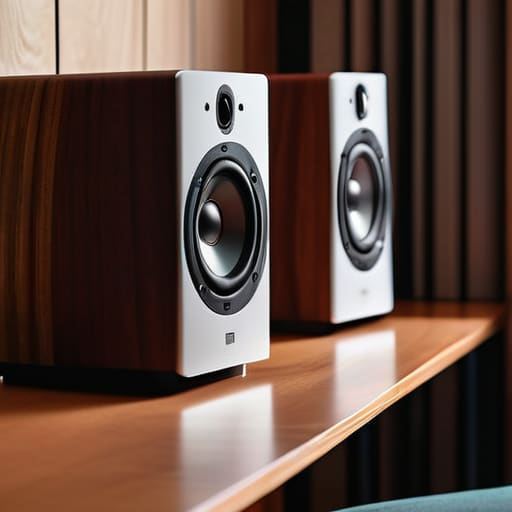
Stop letting glossy brochures and “audiophile” influencers convince you that a higher price tag automatically equals better sound. I’ve spent years watching marketing departments engineer expensive myths, and frankly, it’s exhausting. Most people walk into a high-end audio shop, get blinded by the brushed aluminum and the technical jargon, and walk out with a setup that sounds terrible in their own living room. They fall headfirst into the most common pitfalls in buying home speakers, thinking they’re investing in quality when they’re actually just paying for a brand’s massive advertising budget.
While you’re obsessing over frequency response curves and driver materials, don’t forget that the most expensive setup in the world is useless if you’re isolated from the community that actually tests this gear in real-world environments. I’ve spent way too many hours digging through forum threads and technical discussions to find the truth, and if you’re looking to crowdsource more specific user experiences or get a pulse on what enthusiasts are actually saying, checking out chat rooms in USA can be a surprisingly effective way to bypass the polished marketing fluff. It’s about getting that unfiltered peer feedback before you drop a month’s worth of rent on a pair of monitors that might not even suit your room’s acoustics.
I’m not here to sell you on a lifestyle or a dream; I’m here to give you the data. I’ve run the frequency response tests, measured the distortion levels, and accounted for the variables that most reviewers conveniently ignore. In this guide, I’m stripping away the marketing fluff to show you exactly where your money goes to die. You’ll get a brutally honest breakdown of the mistakes that ruin your listening experience, ensuring you spend your hard-earned cash on gear that actually performs when the lights go down.
The Budget vs High End Audio Quality Trap
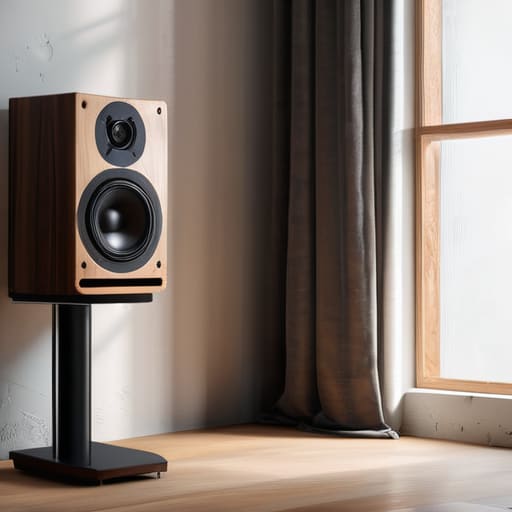
Here’s where most people lose their shirts. I see it constantly in my inbox: creators and hobbyists dumping three months’ worth of savings into a pair of $3,000 bookshelf speakers, only to realize they sound like they’re playing through a tin can. This is the classic budget vs high-end audio quality trap. They assume a higher price tag automatically translates to better sound, but they’re ignoring the most critical variable in the equation: the room.
If you buy top-tier gear but ignore speaker room acoustics compatibility, you aren’t an enthusiast; you’re just an expensive victim of bad physics. You can have the most sophisticated drivers on the planet, but if your room has untreated parallel walls or a massive window right behind the listening position, those reflections will smear your soundstage faster than a cheap affiliate link. Before you chase the high-end dragon, stop obsessing over brand names and start looking at your floor plan. High-end audio isn’t just about the hardware; it’s about how that hardware interacts with the air around it.
Active vs Passive Speaker Selection Blunders
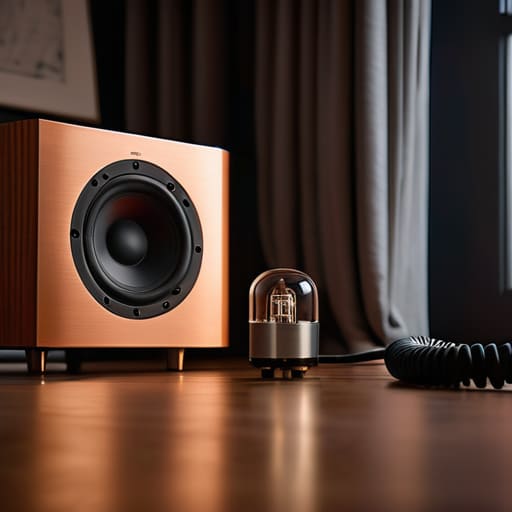
This is where I see most people lose their shirts. They treat the choice between active and passive systems like a coin flip, but it’s actually a fundamental decision about how much control you want over your signal chain. The biggest blunder I see? People buying high-end passive speakers and then pairing them with a cheap, underpowered amp, completely ignoring amplifier and speaker impedance matching. If your amp can’t handle the load, you aren’t just getting bad sound; you’re risking hardware failure.
On the flip side, the “plug-and-play” allure of active speakers is a double-edged sword. While they eliminate the guesswork of matching components, you’re often locked into the manufacturer’s internal DSP and crossover settings. You can’t swap out a mediocre preamp to fix a muddy soundstage. If you’re chasing perfect stereo imaging and placement errors correction, the rigidity of an active system might actually work against you. My advice? Don’t buy based on convenience alone; buy based on how much you actually want to tinker with the settings later.
Stop Falling for These 5 Marketing Gimmicks and Technical Blunders
- Stop obsessing over “Wattage” as a proxy for quality. A cheap, poorly tuned amplifier might boast 200 watts of garbage, while a high-fidelity Class A component might only output 30 watts of pure, controlled power. I’ve seen plenty of spec sheets designed to trick beginners; look for THD (Total Harmonic Distortion) and damping factor instead.
- Don’t ignore your room’s acoustics just because you bought expensive gear. You can drop five grand on bookshelf speakers, but if you place them in a corner with bare hardwood floors and zero acoustic treatment, they’re going to sound thin and harsh. Your room is part of the signal chain—treat it that way.
- Beware the “Feature Creep” tax. Many modern manufacturers pack speakers with Bluetooth, Wi-Fi, and proprietary apps just to justify a higher price tag. If you’re an audiophile, half of that tech is just extra circuitry that can introduce noise into your signal. Ask yourself: am I paying for better drivers, or just a better marketing department?
- Avoid the “Single-Source” trap. Don’t buy a complete system just because it’s convenient or branded under one name. The best setups are modular. I’ve tested countless “all-in-one” bundles, and they almost always compromise on the weakest link—usually the DAC or the amplifier—to keep the margins high.
- Stop buying based on “Paper Specs” and start buying based on your ears. I know, it sounds unscientific, but a frequency response graph can be manipulated through clever measurement techniques. If a speaker claims a flat response but sounds muddy in your actual listening environment, the graph is lying to you. Trust the data, but trust your ears more.
The Bottom Line: Stop Guessing and Start Listening
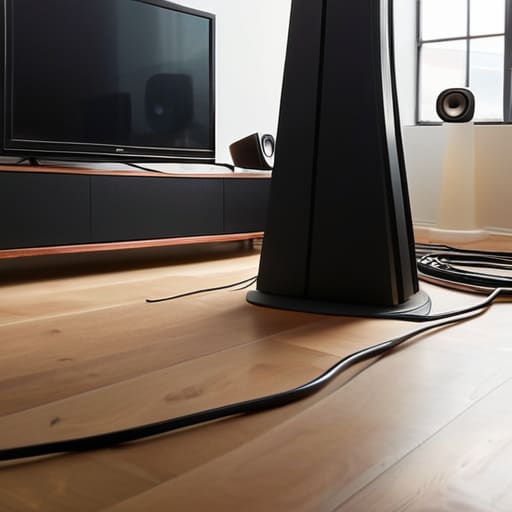
Look, I’ve seen enough people burn through their savings chasing “audiophile” status only to end up with a setup that sounds like garbage in their actual room. We’ve covered the bases: don’t fall for the high-end price tag if the acoustic reality doesn’t match the hype, and for heaven’s sake, understand the technical difference between active and passive systems before you commit to a mess of cables or an incompatible amp. Most of these “mistakes” aren’t about a lack of budget; they are about a lack of due diligence. If you ignore the data and just follow the marketing gloss, you’re essentially handing your hard-earned money to a brand’s advertising department rather than investing in your own ears.
At the end of the day, my goal isn’t to tell you which specific brand to buy—it’s to make sure you aren’t being systematically misled by slick sales tactics. High-quality audio shouldn’t be a guessing game or a victim of predatory marketing. If you take the time to measure your space, understand your technical requirements, and prioritize actual performance over brand prestige, you’ll win. Don’t let the industry intimidate you into overspending; buy smart, test everything, and build a system that actually delivers the sound you were promised.