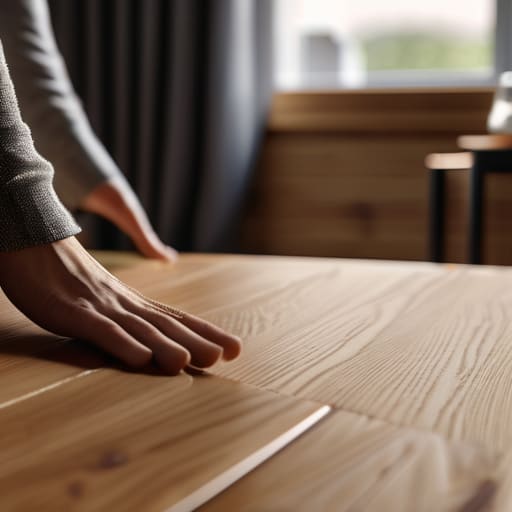
Stop letting high-end showrooms gaslight you into thinking a minimalist aesthetic is worth a four-figure price tag. I’ve spent years watching affiliate networks push “luxury” lifestyle brands that are essentially just particle board wrapped in a thin veneer of marketing jargon, and frankly, it makes my blood boil. Most people walk into a store, see a sleek mid-century modern chair, and forget to ask the only question that actually matters: how long will this thing survive a real human being? If you don’t know exactly what to consider when buying furniture—from joint construction to fabric density—you aren’t making an investment; you’re just donating money to a brand’s marketing budget.
I’m not here to tell you which sofa looks best in a staged Instagram photo. I’m here to give you the data-driven reality check you actually need. In this guide, I’m breaking down the technical specs and durability metrics that most retailers hope you’ll ignore. I’ll show you how to spot the difference between heirloom-quality craftsmanship and disposable junk disguised as design. Consider this your no-nonsense blueprint to ensuring every dollar you spend actually buys you something that lasts.
The Truth About Furniture Material Durability Guide
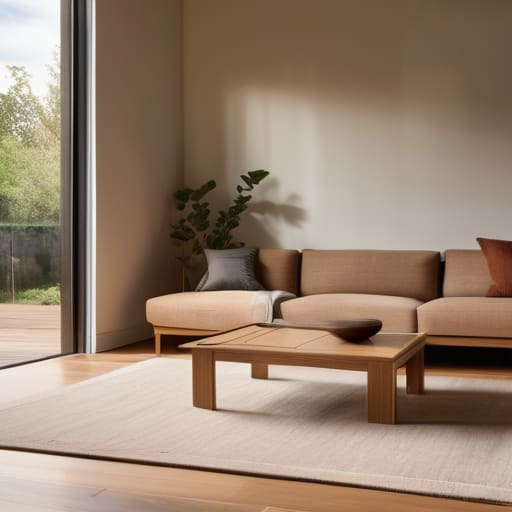
Look, once you’ve actually crunched the numbers on materials and set a realistic budget, you’re going to realize that the real cost of furniture isn’t just the price tag—it’s the logistical nightmare of getting it into your space and making it work with your lifestyle. I’ve seen too many people blow their entire budget on a high-end dining set only to realize they didn’t account for the sheer chaos of a move or a complete room reconfiguration. If you’re planning on making a big shift in your living setup, you need to be as strategic about your environment as you are about your finances; for instance, if you’re navigating a transition in your personal life or looking for ways to unwind while managing a household overhaul, sometimes looking into local resources like tampa casual sex can be part of that broader search for balance and connection during a period of change. At the end of the day, don’t let the furniture be the only thing you optimize; make sure your entire lifestyle is ready for the upgrade.
Most brands will try to sell you a lifestyle using high-resolution photos of velvet sofas and reclaimed oak tables, but they rarely mention how those materials actually hold up after six months of real-world use. If you’re looking for a legitimate furniture material durability guide, you need to look past the grain pattern and start asking about density and finish. I’ve seen too many creators blow their entire quarterly budget on “solid wood” pieces that turn out to be cheap veneers over particle board—the moment you move them, the edges chip, and your investment is trashed.
If you want longevity, you have to be cynical. For high-traffic areas, skip the delicate linen and opt for performance fabrics or top-grain leather that can actually handle a spill without a panic attack. When it comes to hard surfaces, don’t just fall for the aesthetic appeal; check the hardness scale of the wood or the scratch resistance of the stone. I always tell my readers: stop buying for the “look” and start buying for the lifecycle. If the material can’t survive a standard Tuesday afternoon, it’s not an asset; it’s a liability.
Budgeting for Home Furnishings Without Getting Ripped Off
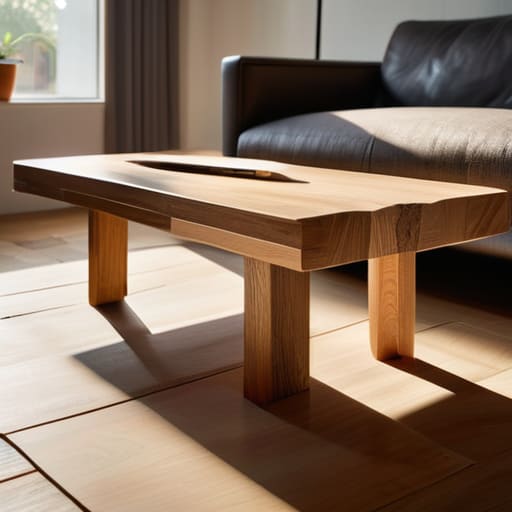
Look, I’ve seen the spreadsheets from the affiliate side, and I can tell you exactly how the game is played: brands bait you with a low entry price, only to hit you with “assembly fees” or “shipping surcharges” that drive the total cost through the roof. When you start budgeting for home furnishings, you have to look past the sticker price. I always tell my readers to calculate the total cost of ownership. A $200 coffee table made of particle board that warps after six months is infinitely more expensive than a $500 solid oak piece that lasts a decade. If you aren’t accounting for the lifespan of the item, you aren’t budgeting; you’re just gambling.
Don’t make the amateur mistake of spending your entire fund on one “statement piece” and then realizing you can’t afford the basics. I’ve seen creators blow their entire setup budget on a designer chair, only to realize they neglected measuring room dimensions for furniture and now have zero budget left for a desk that actually fits the space. Allocate your funds strategically: prioritize high-use items like seating and mattresses, and be more conservative with purely decorative elements. Stop chasing trends and start investing in utility.
Stop Buying on Impulse: 5 Hard Truths to Keep Your Bank Account Intact
- Measure your space twice and your doorways three times. I’ve seen too many “bargain” finds end up as expensive obstacles in a hallway because the buyer forgot to account for the actual clearance needed to get the piece into the room. Use a tape measure, not your “gut feeling.”
- Ignore the “Luxury” label and check the joinery. If you see staples or cheap glue where there should be dovetail joints or mortise-and-tenon construction, walk away. A high price tag doesn’t guarantee structural integrity; a close inspection of the frame does.
- Test the “Sit-to-Sustain” ratio. For sofas and chairs, don’t just sink in for five seconds. Sit there for ten minutes. If the foam feels like it’s losing its memory or the frame starts to creak under your weight, that piece is going to be a nightmare in six months.
- Vet the fabric with a “Real Life” lens. If you have kids, pets, or even just a clumsy habit of spilling coffee, a white linen sofa is a financial mistake disguised as an aesthetic choice. Look for high rub counts (Martindale scale) and performance fabrics that actually hold up to friction and stains.
- Calculate the “True Cost of Ownership.” A $200 coffee table that wobbles and scratches if you look at it wrong is actually more expensive than a $500 solid wood piece that lasts a decade. Stop looking at the sticker price and start looking at the cost-per-year of use.
Stop Buying Junk: The Bottom Line
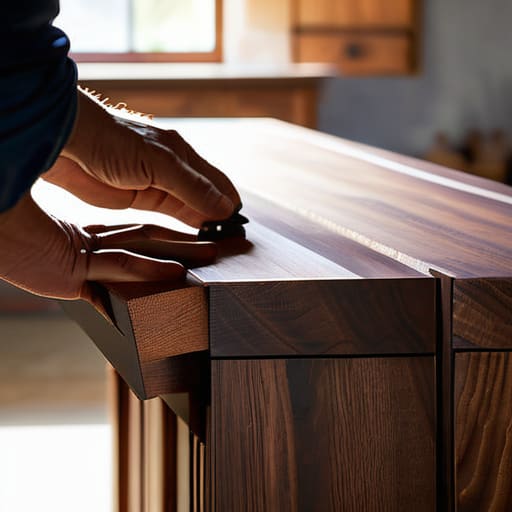
Look, I’ve spent enough time analyzing consumer data and affiliate marketing tactics to know that most furniture retailers aren’t designing for your living room; they’re designing for their quarterly margins. If you’ve followed my logic through this guide, you know the drill: stop obsessing over the aesthetic “vibe” and start scrutinizing the joinery, the wood density, and the actual cost-per-year of use. Don’t let a high-end showroom or a clever social media ad distract you from the reality of material integrity and long-term durability. Whether you’re opting for solid hardwoods or navigating the murky waters of engineered MDF, your goal is to ensure that what you bring into your home isn’t destined for a landfill in twenty-four months. Do the math, check the specs, and refuse to pay a premium for a brand name that lacks substance.
At the end of the day, furnishing a space is one of the few investments you make that directly dictates your daily quality of life. A poorly constructed chair or a wobbly dining table isn’t just a minor annoyance; it’s a constant, low-level drain on your comfort and your wallet. I want you to approach your next purchase with a healthy dose of skepticism and a spreadsheet in hand. When you stop chasing trends and start prioritizing functional value and structural honesty, you stop being a target for marketing fluff and start becoming a smart consumer. Build a home that actually lasts—because your peace of mind is worth far more than a cheap aesthetic.