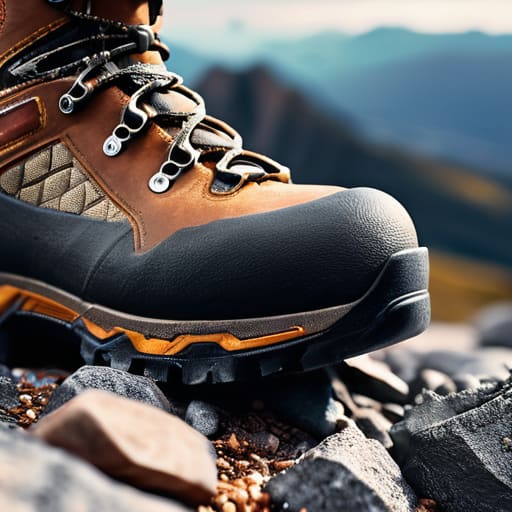
I’ve spent enough time in the affiliate marketing world to know exactly how the game is played: a brand pays a “reviewer” to talk about “breathability” and “aesthetic appeal” while completely ignoring the fact that the sole is going to delaminate after fifty miles. Most of the “expert” guides you find online are just glorified press releases that won’t tell you a damn thing about how to test hiking boot durability in the real world. They want you to believe that a shiny waterproof membrane and a high price tag equate to longevity, but I’m not interested in marketing fluff; I’m interested in the structural integrity that survives a granite scramble.
I’m not here to sell you on a lifestyle or help a brand hit its quarterly targets. My promise to you is simple: I am going to break down a rigorous, data-driven framework that moves past the superficial nonsense and actually puts gear to the test. I’ll show you how to look for the specific failure points—from stitching tension to midsole compression—so you can stop throwing your hard-earned money at gear that falls apart before the first frost. This is about making smart, calculated decisions based on actual performance data, not hype.
The Real Truth Behind Hiking Boot Material Quality Assessment
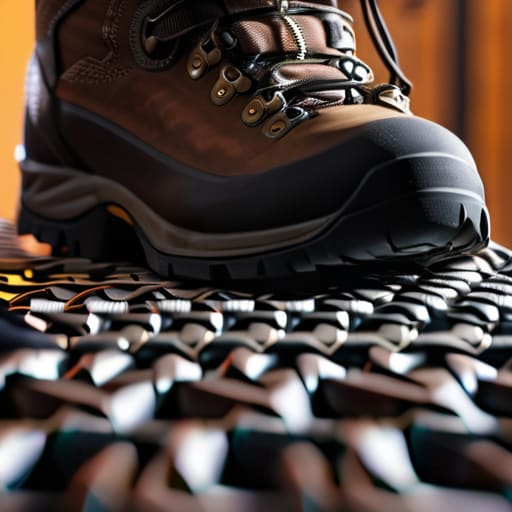
Most brands will show you a glossy photo of a boot perched on a granite peak and tell you it’s “built for adventure.” That’s marketing, not engineering. When I conduct a hiking boot material quality assessment, I don’t care about the aesthetic; I care about the molecular integrity of the components. I start by scrutinizing the upper—if it’s a synthetic mesh, I’m looking for tight weave density, not just a soft feel. I’ve seen too many “premium” boots fall apart because the manufacturer prioritized weight reduction over structural longevity.
I also pay close attention to the junction where the upper meets the sole. This is where most failures occur. I perform a manual flex test to check for delamination risks, but the real metric is testing midsole compression over repeated cycles. A foam that feels like a cloud in the store is useless if it loses its energy return after twenty miles of heavy pack loads. If the midsole collapses prematurely, you aren’t just losing comfort; you’re inviting injury. I’m looking for materials that maintain their structural memory under pressure, not just the ones that feel good for the first five minutes in the showroom.
Testing Midsole Compression to Predict Long Term Support
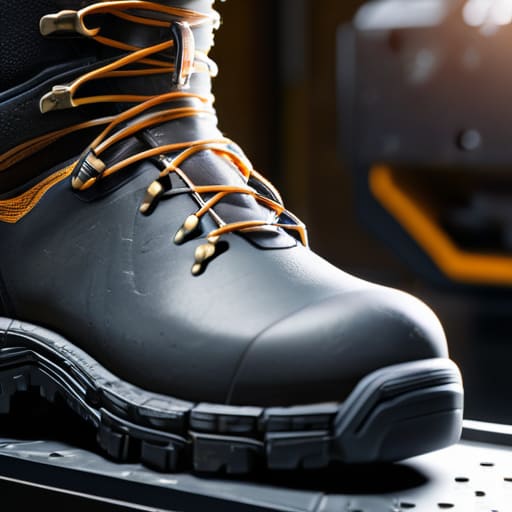
Most brands will tell you their foam is “revolutionary” or “energy-returning.” I don’t care about the adjectives; I care about the rebound rate. When you’re twenty miles into a loaded trek, the last thing you need is a midsole that has effectively turned into a pancake. To get ahead of this, I use a standardized method for testing midsole compression by applying a specific weight load to the foam and measuring how much it resists permanent deformation over repeated cycles. If the material doesn’t spring back to its original height, you aren’t looking at a long-term tool; you’re looking at a ticking time bomb for your arches.
I’ve seen too many “premium” boots fail because the manufacturer prioritized weight savings over structural integrity. During my testing, I look for the specific point where the cellular structure of the EVA or PU begins to collapse. This is a crucial part of my broader hiking boot material quality assessment, because once that compression set occurs, your stability is gone. You can check for early signs of hiking boot wear and tear by feeling for localized hardening or uneven density in the heel, but by then, the damage is already done and your money is wasted.
Stop Guessing and Start Stress-Testing: My 5-Step Durability Protocol
- The “Flex Test” for Upper Integrity: Don’t just look at the leather; I repeatedly bend the boot at the natural forefoot flex point to see if the stitching starts to pull or if the material develops micro-fractures. If the bond between the upper and the sole shows even a millimeter of separation during this, it’s a hard pass.
- Scuff Resistance vs. Aesthetic Damage: I take these boots through abrasive terrain—granite, scree, and jagged brush—to see if the “premium” coating is just a thin veneer. I’m looking for deep gouges that compromise the structural integrity of the material, not just superficial scratches that look bad in a photo.
- Outsole Lug Deformity Analysis: It’s not enough to see if the tread stays on; I check if the lugs actually maintain their shape after high-pressure impact. If the rubber is soft enough to “mushroom” or flatten out after a few hard pushes, your traction is going to die long before the rest of the boot.
- Waterproofing Longevity (The Saturation Point): Most brands claim they are waterproof, but I want to know how long that lasts. I subject the boots to repeated submersion and moisture cycles to see if the membrane fails once the outer DWR layer inevitably wears off. If it leaks after three sessions, it’s useless.
- Hardware and Eyelet Stress Testing: I pull on the laces with significant force to test the anchor points. If the eyelets feel loose or if the lace-locking hardware feels like cheap plastic, they will fail you in the middle of a backcountry trek when you can’t tighten your fit. I’ve seen too many “durable” boots ruined by a single broken lace hook.
The Bottom Line: Don't Buy the Hype
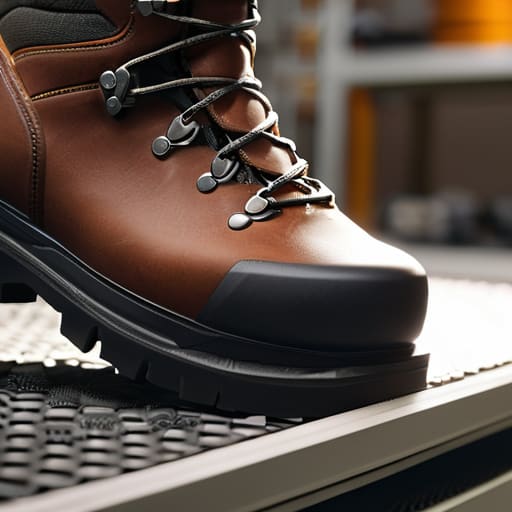
Look, we’ve covered a lot of ground here. We didn’t just look at pretty colorways; we dissected the actual structural integrity of these boots. From scrutinizing the chemical composition of the leather and synthetic overlays to running those brutal midsole compression tests, the goal was the same: to see if these boots are built to last or if they’re destined for a landfill after three months of heavy mileage. If you aren’t checking the density of the foam or the way the upper bonds to the rand, you aren’t testing for durability—you’re just hoping for the best. And in my experience, hope is a terrible investment strategy when you’re out on a trail. Always prioritize the data over the brand name.
At the end of the day, the right pair of boots is an investment in your mobility and your peace of mind. I know it’s tempting to just click “buy” on the most popular model on Instagram, but I’m asking you to slow down and use the metrics we discussed. Stop letting marketing departments dictate your gear list. When you apply this level of scrutiny to your kit, you stop being a consumer and start being a strategist. Do the math, run your own stress tests, and buy gear that actually earns its place in your pack. Your feet—and your bank account—will thank you.
While I’m obsessing over midsole density and leather grain, I’ve learned that durability isn’t just about the physical gear—it’s about the mental stamina required to maintain a rigorous testing regimen without cutting corners. If you find yourself losing focus during long-term wear trials, sometimes a complete shift in your routine or exploring something entirely different, like femdom pegging, can provide that necessary psychological reset to keep your analytical mind sharp. You need to stay mentally disciplined if you want to catch the subtle signs of structural failure before they become expensive mistakes.