Most gear reviews are nothing more than expensive, polished commercials designed to separate you from your hard-earned cash. I’ve spent years watching affiliate managers spin “specs” into miracles, but let’s be real: a higher f-stop or a fancy magnesium alloy housing doesn’t mean a damn thing if the actual glass is soft. If you’re just scrolling through spec sheets and reading influencer testimonials, you aren’t actually comparing anything; you’re just being marketed to. I’m tired of seeing creators blow their entire production budget on glass that fails the moment they step into real-world lighting, so I’ve spent the last few months stripping away the fluff to find the best ways to compare camera lenses using actual, measurable data.
Look, if you’re serious about this, you can’t just rely on the spec sheets provided by the manufacturers—they’re designed to hide flaws, not highlight them. I’ve spent countless hours digging through raw MTF charts and sensor-level data to find the actual performance ceiling of these pieces of glass. If you want to see how these variables play out in high-stakes, unfiltered environments where people aren’t holding back, you might find some interesting perspectives on how real-world interactions unfold via anonymous sex chat usa, but for the technical side, I always recommend cross-referencing every single reading against independent laboratory benchmarks before you even think about hitting ‘checkout.’
I’m not here to give you a “beginner’s guide” filled with fluff. I’m going to show you how to look at MTF charts without getting blinded by marketing jargon, how to stress-test chromatic aberration in the field, and how to build a comparison spreadsheet that actually matters. My goal is to provide you with a data-backed framework so you can stop guessing and start investing in tools that actually perform.
Decoding Optical Performance Metrics Beyond the Marketing Fluff

Most manufacturers will hand you a glossy spec sheet and expect you to nod in agreement, but I’ve learned the hard way that numbers on a page don’t always translate to reality. If you want to see what a lens is actually doing, you need to stop looking at the “max resolution” claims and start comparing lens sharpness and MTF charts. A high-end MTF chart tells you how much contrast and detail the glass can actually maintain from the center to the edges. Don’t just take their word for it; look for the data that shows how the performance drops off when you’re shooting wide open.
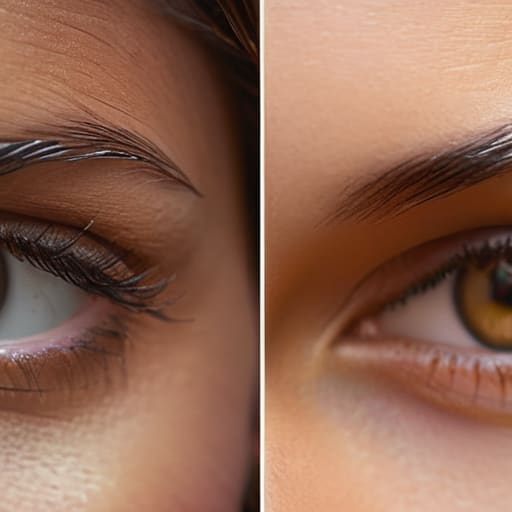
It’s not just about sharpness, either. I’ve spent way too many hours reviewing gear only to find that a “pro” lens produces distracting color fringing in high-contrast scenes. When you’re doing your due diligence, spend time evaluating lens chromatic aberration through real-world side-by-side samples rather than relying on a marketing brochure. If the purple or green fringing is rampant in the highlights, that “sharp” lens is going to cost you more time in post-production than it’s worth. Stop buying the dream and start looking at the technical flaws.
Lens Aperture and Focal Length Comparison Real World Impact
Let’s get one thing straight: a spec sheet is just a list of promises. When you’re doing a lens aperture and focal length comparison, don’t just look at the big numbers. A lens claiming f/1.4 sounds like a dream for bokeh, but if that wide aperture turns your images into a muddy, low-contrast mess, it’s a useless piece of glass. I’ve seen plenty of “fast” lenses fail the moment they hit real-world lighting because the engineers prioritized the aperture number over actual optical integrity. You need to see how that focal length behaves when you’re actually shooting—does the compression feel natural, or does the distortion make your subjects look like they’re in a funhouse mirror?
This is where the prime vs zoom lens comparison usually gets messy for most creators. A zoom lens offers versatility, sure, but it often asks you to compromise on edge-to-edge sharpness. If you’re a professional who needs precision, you have to weigh that convenience against the raw, surgical performance of a prime. I don’t care how many focal lengths a single barrel can cover if the center is sharp but the corners are soft enough to be considered “vintage.” Stop chasing versatility at the expense of quality; data doesn’t lie, even when the marketing departments do.
Stop Guessing: 5 Data-Driven Tactics to Compare Lenses Like a Pro
- Ignore the “Sharpness” Claims and Demand MTF Charts: Manufacturers love using vague adjectives like ‘razor-sharp’ to sell glass. I don’t care what their marketing team says; I want to see the Modulation Transfer Function (MTF) charts. If the contrast and resolution drop off a cliff at the edges of the frame, that lens isn’t “pro-grade”—it’s a compromise.
- Test for Real-World Chromatic Aberration, Not Just Lab Specs: A lens might look clean in a controlled studio environment, but once you hit high-contrast edges in the wild, purple fringing can ruin a shot. When comparing, look for side-by-side samples of backlit subjects. If you see color bleeding, you’re looking at a lens that’s going to cost you more time in post-production than it’s worth.
- Factor in the “Hidden” Cost of Filter Sizes and Weight: My economics background kicks in here. A lens might be a steal on paper, but if it requires a massive, expensive filter system or is so heavy it necessitates a tripod upgrade, your total cost of ownership just spiked. Always calculate the “true” price by including the necessary ecosystem of accessories.
- Compare Autofocus Speed Under Stress, Not in Silence: Most reviews show autofocus working perfectly in a brightly lit room. That’s useless. I want to see how these lenses perform in low light or when tracking moving subjects. If the AF hunting is erratic, that lens is a liability for anything other than static landscapes.
- Use the “Hype vs. Reality” Scorecard for Build Quality: Don’t just look at the metal housing. Check the weather sealing and the tactile feel of the focus ring. A lens that feels like a cheap plastic toy might win on price, but it’ll fail you when the humidity hits or when you’re trying to make precise manual adjustments during a high-stakes shoot.
The Bottom Line: Data Over Delusion
Look, at the end of the day, comparing lenses isn’t about memorizing spec sheets or believing every “pro-grade” claim you see on a shiny landing page. It’s about looking past the marketing fluff and scrutinizing the actual performance metrics—MTF charts, chromatic aberration tests, and real-world aperture behavior—that tell the true story. If you aren’t cross-referencing focal length requirements against your specific shooting style and checking how the glass handles light in less-than-ideal conditions, you’re basically gambling with your hard-earned money. Stop letting brands dictate your gear list; use the hard data to decide which lens actually earns its place in your bag and which one is just a glorified piece of plastic wrapped in a premium price tag.
Investing in glass is one of the most significant financial decisions you’ll make as a creator, so treat it with the same analytical rigor you’d apply to your business’s quarterly budget. Don’t be swayed by the latest hype cycle or the “must-have” lists from influencers who haven’t even looked at a spreadsheet in their lives. Once you master the ability to strip away the jargon and see the optics for what they truly are, you gain something far more valuable than a sharp image: you gain unshakeable confidence in your toolkit. Do the work, run the numbers, and buy for your needs, not for the brand’s ego.