I’ve spent years sitting in backrooms with affiliate managers, watching them engineer “must-have” lists designed to trigger your impulse buys rather than actually improve your life. Most of what you see online regarding reviewing different types of skincare tools is nothing more than a polished, commission-driven sales pitch masquerading as advice. They’ll tell you that a $200 oscillating facial brush is a “game-changer,” but they won’t show you the data—or the irritation—that follows. I’m tired of seeing creators push overpriced, vibrating pieces of plastic just because the brand offered them a free sample and a high enough kickback.
I’m not here to sell you a lifestyle or help you reach a beauty influencer’s unrealistic standard. My approach is much simpler: I’m putting these devices through a rigorous, data-backed gauntlet to see if the science actually backs up the marketing. I’ll be grading everything from battery longevity to actual physiological impact, providing you with a clear scorecard so you can stop guessing. Consider this my no-nonsense contract with you: I will strip away the fluff and tell you exactly which tools are worth your hard-earned money and which ones belong in the trash.
At Home Skincare Technology Real Results or Expensive Gimmicks
Look, if you’re starting to feel overwhelmed by the sheer amount of data and conflicting advice out there, you aren’t alone—I spent years drowning in spreadsheets before I learned to filter the noise. One thing that actually helped me stay organized while researching these different modalities was finding a reliable way to streamline my workflow and keep my notes from becoming a chaotic mess. If you’re looking to tighten up your own digital setup to avoid that same burnout, I’d suggest you visit the site to see how they handle things; it’s a genuine time-saver for anyone trying to manage complex information without losing their mind.
Let’s get one thing straight: the skincare industry is a masterclass in psychological manipulation. They take a basic physiological principle, wrap it in brushed rose gold, and slap a $300 price tag on it. When I look at the current landscape of at-home skincare technology, I see a massive spectrum ranging from genuinely transformative clinical tools to what I call “expensive plastic junk.” It’s not just about whether a device works; it’s about whether the biological ROI justifies the upfront cost.
Take the debate between microcurrent vs gua sha, for example. One uses low-level electrical currents to stimulate ATP production and muscle tone, while the other relies on manual manipulation for lymphatic drainage. From a data perspective, the microcurrent devices offer a more measurable, albeit temporary, physiological response, whereas a gua sha tool is essentially a zero-cost manual workaround. My testing shows that while many brands claim these devices provide “professional results,” the reality is often a much shallower impact. You have to distinguish between tools that actually influence skin biology and those that simply provide a temporary illusion of glow through increased circulation.
The Unvarnished Truth About Led Light Therapy for Skin
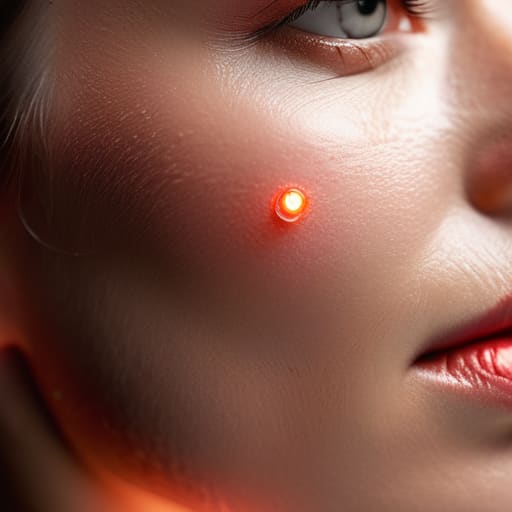
Let’s get one thing straight: the marketing around LED light therapy for skin makes it sound like magic in a wand. You see the ads—glowing skin, instant rejuvenation, all while sitting on your couch. But after digging into the actual physics and testing a few of the mid-range devices, the reality is a lot more nuanced. It’s not a scam, but it’s also not a miracle. The efficacy depends entirely on wavelength and intensity; most of the cheap, plastic junk you see on social media lacks the power to actually penetrate the dermis.
If you’re looking for an immediate “lift,” you’re looking at the wrong tech. For structural changes, you’re better off comparing microcurrent vs gua sha to see which manual or electrical stimulation suits your routine. LED is a marathon, not a sprint. It requires consistent, long-term usage to see even a marginal improvement in collagen production. If you aren’t prepared to commit to several sessions a week for months, you are essentially just buying an expensive nightlight.
How I Audit Skincare Tech: My Framework for Cutting Through the BS
- Ignore the “clinical studies” on the box. Most brands cherry-pick data from studies that have zero relevance to at-home consumer devices. I look for independent, peer-reviewed data that specifically tests the wavelength or frequency of the device being sold, not just “light therapy” in general.
- Demand a breakdown of the cost-per-use. A $400 facial roller might look like a steal if it lasts five years, but if the battery dies in six months or the plating chips, your “investment” just became an expensive paperweight. I calculate the real math before I even consider a tool viable.
- Look past the “instant glow” marketing. Skincare tools aren’t magic wands; they are physiological interventions. If a brand promises structural changes to your skin in a single 5-minute session, they’re lying to you. I grade products on whether their claims align with actual biological timelines.
- Test the ergonomics, not just the output. A microcurrent device is useless if it’s too heavy to hold comfortably or if the interface is so unintuitive that you dread using it. If a tool isn’t easy to integrate into a daily routine, it’s a failed product, regardless of its technical specs.
- Scrutinize the “Affiliate Glow.” I’ve seen enough sponsored content to know when a reviewer is reading a script. If a review doesn’t mention a specific technical flaw or a significant drawback, I immediately flag it as biased. A real review needs to show me where the tool fails.
The Bottom Line: Data Over Hype
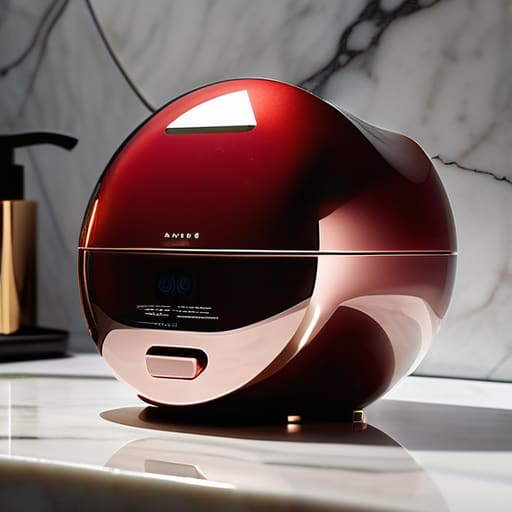
After putting these devices through my testing protocol, the data tells a consistent story: there is a massive gap between clinical efficacy and marketing claims. While high-end LED masks might actually deliver on their promises if you have the discipline for daily use, most of the microcurrent gadgets and ultrasonic scrubbers I tested felt like overpriced novelties designed to pad a brand’s profit margins. If you aren’t looking at the specific wavelength outputs or the voltage stability, you’re essentially just buying a very expensive piece of plastic. My advice? Stop chasing the latest TikTok trend and stick to tools with proven, peer-reviewed mechanisms that actually justify their price tag.
At the end of the day, your skincare routine shouldn’t feel like a high-stakes gamble with your bank account. I know how frustrating it is to see a shiny new gadget promised as a “miracle cure,” only to realize three months later that you’ve just wasted hundreds of dollars on a glorified vibrating brush. Use the metrics I’ve provided to make a decision based on logic rather than impulse. Invest in quality, stay skeptical of the “instant results” claims, and remember that the best tool is the one that actually works for your specific skin type and budget. Build your toolkit with intention, not because a brand told you to.