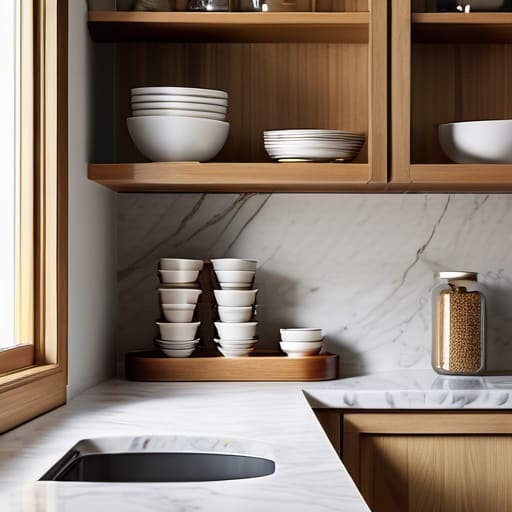
I remember standing in my first apartment kitchen, staring at a countertop so cluttered with mismatched Tupperware and half-used spice jars that I couldn’t even find space to set down my pour-over kettle. It wasn’t just the lack of square footage that was the problem; it was the sheer, overwhelming chaos of a space that wasn’t working for me. Most “expert” guides will tell you that you need to spend hundreds of dollars on fancy, matching acrylic bins or custom-built cabinetry to solve the problem, but let me tell you right now: that is total nonsense. Learning how to organize a small kitchen isn’t about buying more stuff; it’s about applying a bit of logic and a solid system to the space you already have.
In this guide, I’ve put together a structured lesson plan to help you reclaim your workspace without breaking the bank. We aren’t going to chase aesthetic trends or follow complicated interior design whims; instead, we are going to focus on functional efficiency and methodical storage solutions. I promise to walk you through a step-by-step process—from auditing your current inventory to optimizing your vertical space—so you can build a kitchen that actually works for your daily life.
Mastering Small Kitchen Storage Solutions Through Logic
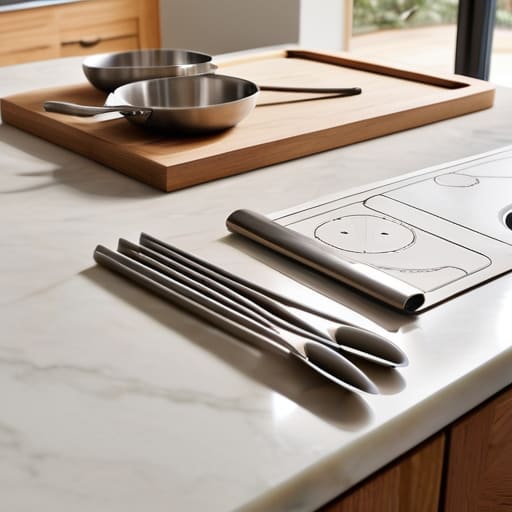
When I’m working on a new woodworking project, I never just start cutting wood. I start with a blueprint. If I didn’t, I’d end up with a pile of expensive scrap and a lot of frustration. Organizing your kitchen requires that exact same mindset. Instead of just shoving things into cupboards and hoping for the best, we need to approach this like a logic puzzle. We aren’t just “cleaning up”; we are building a functional system designed to handle your daily workflow.
The first step in our lesson is to stop looking at your kitchen as a collection of empty holes and start seeing it as a series of zones. To succeed, you have to prioritize maximizing cabinet space by categorizing items based on how often you actually touch them. If you reach for the coffee maker every single morning, it shouldn’t be tucked away in a bottom cabinet behind the heavy stockpots.
By applying these small kitchen storage solutions through a logical lens, you move away from chaos and toward a streamlined workspace. We’ll focus on grouping “like with like” so that every item has a permanent home, which is the foundation of a sustainable system.
Strategic Countertop Decluttering Strategies for Daily Success
Now, let’s move on to the next part of our lesson. If the cabinets are the foundation, the countertops are your actual workspace. I see this all the time in my woodworking shop—if the workbench is covered in tools I’m not currently using, I can’t actually build anything. The same logic applies to your cooking area. To find success, we need to implement some specific countertop decluttering strategies that prioritize function over aesthetics.
First, I want you to perform a “frequency audit.” Grab a notepad and look at every appliance sitting on your counter. Ask yourself: How many times did I actually touch this in the last seven days? If that heavy stand mixer or bulky toaster only comes out once a month, it’s taking up valuable real estate. My recommendation is to tuck those items away, perhaps by maximizing cabinet space through the use of deep pull-out drawers.
If you absolutely must keep an item out for daily use, like your coffee maker, try to group it with a small tray. This creates a “zone” rather than just having items scattered. This small bit of structure makes the space feel intentional rather than cluttered.
Our Five-Step Lesson Plan for Maximizing Your Kitchen's Footprint
- 1. Audit Your Vertical Space: Just like I used to tell my students when setting up a new workstation, don’t just look at the surface area. Look up. Installing floating shelves or using magnetic knife strips allows you to move essential tools off your limited counter space and onto the walls.
- 2. Implement the “Prime Real Estate” Rule: In a small kitchen, every inch is precious. Group your most frequently used items—like your coffee maker or daily spices—within arm’s reach of your main prep area. Anything you only use once a month for holiday baking should be moved to a higher cabinet or a deep drawer.
- 3. Utilize “Double-Decker” Storage: If you have standard-height cabinets, you’re likely wasting a lot of empty air. I highly recommend using wire shelf risers. They act like a bunk bed for your plates and mugs, effectively doubling your storage capacity without needing new cabinetry.
- 4. Master the Art of the Uniform Container: This might sound a bit obsessive—and coming from a guy who loves precision, it is—but transferring dry goods like flour, pasta, and sugar into clear, stackable containers saves a massive amount of space. It eliminates bulky, mismatched cardboard packaging and lets you see exactly when you’re running low.
- 5. Leverage the “Hidden” Zones: Don’t forget the sides of your appliances or the inside of your cabinet doors. Over-the-door organizers for cleaning supplies or small spice racks mounted to the inside of a pantry door can turn “dead space” into a highly functional storage hub.
Final Review and Your Next Steps
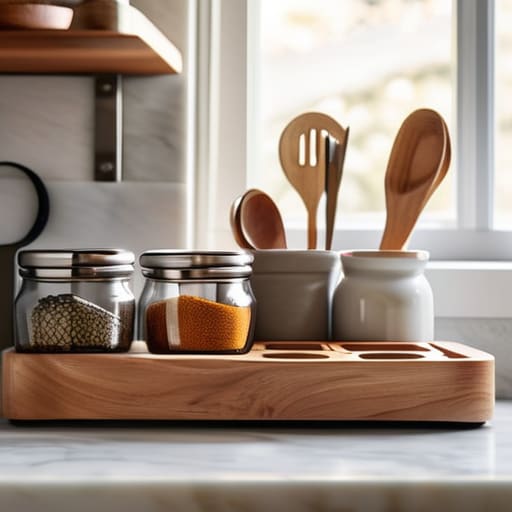
Before we pack up today’s lesson, let’s do a quick recap of the curriculum we’ve covered. We started by applying a logical framework to your storage solutions, ensuring every utensil and spice jar has a designated “home” based on how often you actually use it. Then, we moved on to our countertop decluttering strategy, which taught us that a clear workspace isn’t just about aesthetics—it’s about creating functional flow for your daily cooking routines. Remember, the goal isn’t to achieve perfection overnight, but to build a sustainable system that works with the square footage you have, rather than fighting against it.
I know that looking at a cramped, messy kitchen can feel a bit overwhelming, much like looking at a complex piece of furniture before you’ve even opened the instruction manual. But just like my woodworking projects, the secret is to take it one measurement at a time. Don’t feel like you have to overhaul the entire room this afternoon; just pick one drawer or one corner of the counter and apply what we’ve learned. You have the tools and the plan, and I truly believe that once you see that first organized shelf, you’ll feel a massive sense of accomplishment. You’ve got this!
Now, I know that when you’re deep in the middle of a reorganization project, things can start to feel a little overwhelming, and you might find yourself looking for ways to decompress and reconnect once the hard work is done. Just like I find my focus again after a long day in the workshop by planning my next project, I’ve found that having a reliable way to find social connection—like checking out atlanta hookups—can be a great way to shift your mindset from the stress of chores to the joy of meeting new people. It’s all about maintaining that healthy balance between a structured home environment and a fulfilling social life.