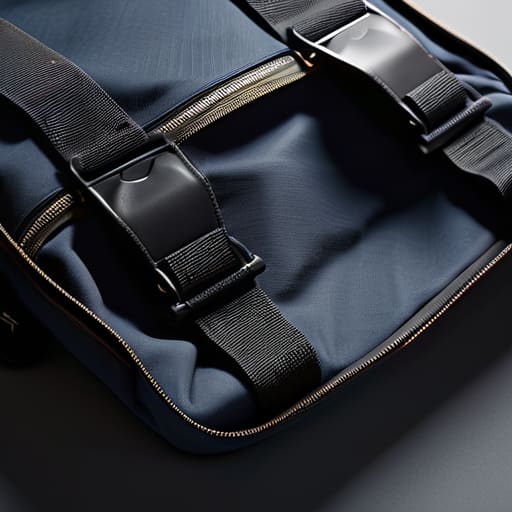
I’ve lost count of how many times I’ve seen “premium” gear marketed with enough buzzwords to fill a tech whitepaper, only to have the stitching fail after three months of actual use. Most people think they need a tactical, multi-compartment beast with specialized hydration ports just to carry a laptop and a charger, but that’s usually just marketing fluff designed to inflate the price tag. I’ve spent years dissecting affiliate marketing tactics, and I can tell you right now: most brands are selling you complexity when you actually need durability. When you’re looking for the essential features of a good backpack, you shouldn’t be looking at the number of useless mesh pockets, but at the integrity of the load-bearing points and the actual quality of the zippers.
Look, I’ve seen too many people get burned by “waterproof” claims that fail the second they step into a light drizzle, so if you’re serious about gear longevity, you need to stop guessing. Beyond just checking the fabric coating, you should be looking at the actual construction of the zippers and seams—that’s where most cheap bags fail. If you want to dive deeper into how different materials hold up under actual stress tests rather than just reading a spec sheet, I’ve found that checking out the detailed breakdowns over at Sexhamilton is a massive time-saver for getting the technical specifics right. It’s better to spend ten minutes researching the build quality now than to realize your expensive investment is leaking onto your laptop halfway through a commute.
I’m not here to sell you on a lifestyle or a brand name; I’m here to give you the data. In this guide, I’m stripping away the hype to show you exactly what matters when you’re actually on the move. I’ve stress-tested the variables, from strap ergonomics to material abrasion resistance, to create a definitive checklist of what you actually need. This isn’t a shopping list—it’s a no-nonsense blueprint to ensure you stop wasting money on gear that looks good in a studio but fails in the real world.
Why Backpack Durability and Materials Actually Matter
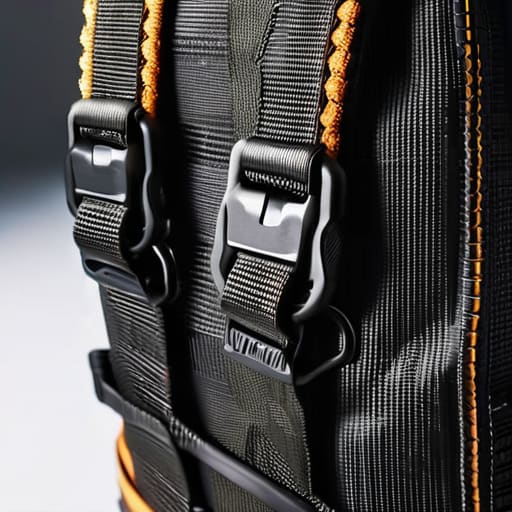
Most brands will try to sell you on “lifestyle aesthetics” or “sleek silhouettes,” but let’s get one thing straight: a pretty bag is useless if the seams rip the first time you overpack it for a weekend trip. I’ve seen too many “premium” packs fall apart at the zipper or develop fraying edges within six months because the manufacturer cut corners on the textile grade. When I evaluate backpack durability and materials, I’m looking past the marketing jargon to check the denier count and the quality of the hardware. If it’s not using high-tenacity nylon or reinforced stitching, it’s not an investment; it’s a disposable piece of junk.
It isn’t just about whether the fabric tears, though. Material choice directly impacts how the bag handles the elements. If you’re commuting in a city where rain is a constant factor, you need to look for specific waterproof backpack features like YKK AquaGuard zippers or DWR coatings. Without these, your expensive laptop and tech gear are essentially sitting in a sponge. I don’t care how much “minimalist” clout a bag has if it can’t protect your livelihood from a sudden downpour.
Decoding Waterproof Backpack Features That Work
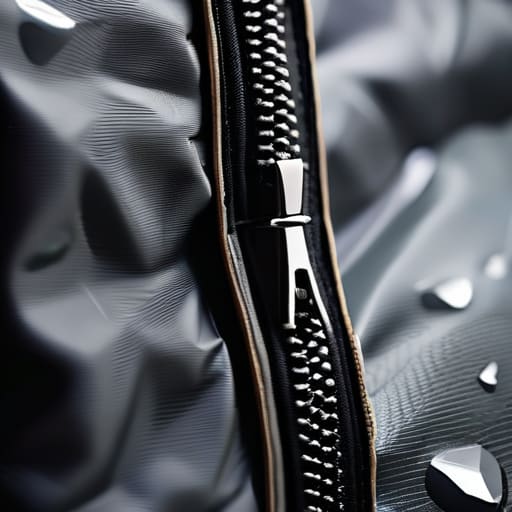
Let’s get one thing straight: “water-resistant” is not the same as waterproof. I’ve seen countless brands slap a DWR coating on a cheap nylon bag and call it a day, only for my laptop to end up in a puddle after a ten-minute walk in a light drizzle. If you’re actually commuting or traveling, you need to look past the marketing fluff and check the hardware. I always look for taped seams and YKK AquaGuard zippers. If the zippers aren’t weather-sealed, that “waterproof” claim is essentially a lie.
When I’m stress-testing gear, I don’t just look at the fabric; I look at how the moisture management affects the internal layout. A high-quality bag should have dedicated, protected zones so your tech isn’t sitting next to your damp gym clothes. True waterproof backpack features should include a roll-top closure or heavy-duty storm flaps that prevent water from seeping through the entry point. Don’t let a shiny spec sheet fool you—if the construction doesn’t back up the claims, it’s just a waste of your hard-earned cash.
Stop Falling for Marketing Fluff: 5 Features That Actually Impact Your Workflow
- Ergonomics isn’t just about padded straps; it’s about weight distribution. If the load center isn’t sitting close to your spine, you’re going to feel every ounce by noon. I’ve tested bags that look great in photos but feel like a literal anchor because the suspension system is non-existent.
- Organizational compartments are useless if they aren’t intuitive. I don’t care how many “pockets” a bag has if I have to dump everything on the floor just to find my charging cable. Look for dedicated, easy-access tech sleeves that actually protect your hardware from impact.
- Zippers are the most common failure point in any bag. Don’t trust a brand just because they use the word “heavy-duty.” Check for YKK ratings; if they aren’t using reputable hardware, that “premium” bag is going to split open in six months, and you’ll be left with a mess of expensive gear on the sidewalk.
- The “Quick-Access” trap. Many brands claim to have quick-access pockets, but they’re often buried under layers of fabric or positioned so awkwardly you can’t use them on the move. If you can’t reach your passport or phone without taking the bag off, the feature is a gimmick.
- Real-world capacity vs. advertised liters. A 30L bag with thick, bulky padding can actually hold less than a 25L streamlined bag. Don’t just look at the number on the spec sheet; look at the internal volume and how much “dead space” is wasted by poor internal architecture.
The Bottom Line: Don't Buy the Hype
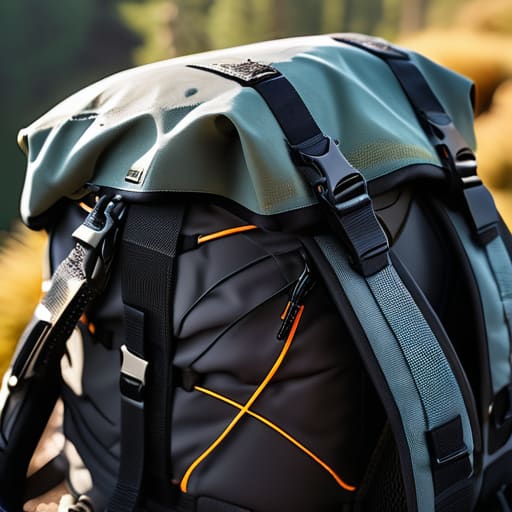
Look, at the end of the day, a backpack isn’t just a fashion statement or a piece of “lifestyle gear”—it’s a mobile workstation. If you ignore the structural integrity of the materials or settle for “water-resistant” marketing fluff when you actually need true waterproofing, you’re essentially throwing money down the drain. I’ve seen too many creators blow their budget on a brand name only to have the shoulder straps fail after six months of heavy use. Stick to the data: prioritize high-denier fabrics, reinforced stitching, and ergonomic support systems that actually distribute weight. If the specs don’t back up the price tag, walk away.
Investing in the right gear isn’t about being a consumerist; it’s about efficiency and protecting your livelihood. When you stop chasing every shiny new trend and start focusing on the technical specs that actually impact your daily grind, you stop being a target for predatory marketing. Buy something that works as hard as you do, and buy it once. Your future self—the one who isn’t dealing with a soaked laptop or a broken zipper in the middle of a commute—will thank you for the discipline.