
I still remember sitting on a hard plastic bench in a humid station outside of Chiang Mai, clutching my laptop bag like a lifeline while a conductor yelled in a language I didn’t understand, realizing I’d just spent forty dollars on a “tourist express” ticket that was actually just a slower, more expensive version of the local line. Most travel blogs will tell you that learning how to travel by train across a province is all about romanticizing the window views and sipping local tea, but they conveniently forget to mention the soul-crushing reality of platform changes, broken ticket machines, and the sheer panic of realizing your digital pass won’t load because the station Wi-Fi is non-existent.
Look, I’m not here to sell you on the “magic of slow travel” with sunset aesthetics and inspirational quotes. I’m here to make sure you actually get from Point A to Point B without losing your luggage or your sanity. In this guide, I’m breaking down the logistical grit you actually need: from the specific apps that won’t glitch mid-journey to the exact time you need to arrive to avoid being stranded, and how to handle your gear when the carriage is packed like a sardine can.
Regional Train Ticket Booking Tips to Avoid Getting Fleeced
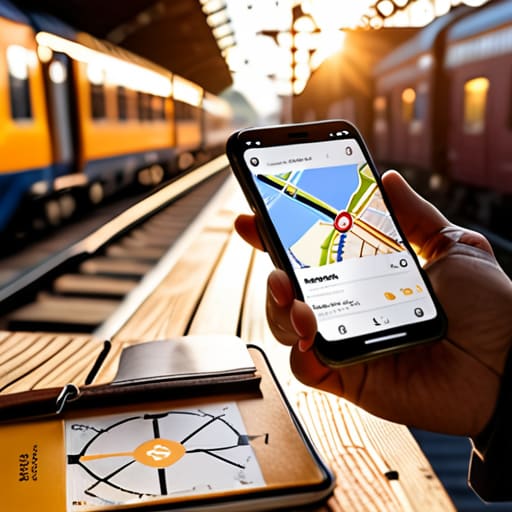
Look, I’ve been burned by “convenience fees” in three different time zones, so let’s get one thing straight: the price you see on a flashy third-party booking app is rarely the actual price. Those sites are great for UI, but they’re often just middle-men skimming a massive cut off your budget. When it comes to budgeting for provincial train trips, your best bet is to go straight to the official national railway website or, better yet, use their native app. If you’re moving through a region with a dense network, check if a railway pass for regional travel actually makes sense for your itinerary. Sometimes, buying individual tickets on the fly is cheaper, but if you’re hopping between three or four towns in a week, a pass can save you a headache and a lot of cash.
Also, don’t trust the “last minute” window. In many provinces, seat reservations are separate from the ticket itself. I once spent four hours stuck in a terminal because I thought my ticket was all-inclusive, only to realize I hadn’t booked a specific seat on the express line. Always double-check your booking confirmation for the words “reservation included” before you head to the platform.
Intercity Train Travel Planning for People With Actual Jobs
If you’re working a 9-to-5 (or a 24/7 freelance grind), you can’t afford to spend four hours sitting on a platform because you misread a departure board. When it comes to intercity train travel planning, my golden rule is to treat your transit like a scheduled Zoom call: it is non-negotiable and must be locked in. I stopped booking “on the fly” years ago; it’s a recipe for missed deadlines and high-stress meltdowns. Instead, aim to book your long-haul legs at least a week out to snag a seat with a power outlet. If you’re jumping between major hubs, look into a railway pass for regional travel—it’s often the only way to keep your sanity (and your budget) intact when you’re moving fast.
Don’t make the mistake of thinking every train is a rolling office. Some of these older carriages have zero Wi-Fi and even worse cellular reception. Before you commit to a cross-province haul, check the local forums or my previous posts on scenic rail routes through provinces to see if the line is known for dead zones. If you have a heavy meeting block, prioritize routes with high-speed connections over the cheaper, slower local lines. You aren’t just paying for a seat; you’re paying for the ability to actually get your work done without staring blankly at a loading screen.
My Survival Checklist for the Rails: 5 Things They Don't Tell You in the Brochures
- Pack a massive power bank and don’t trust the “charging ports” on older trains. I’ve spent more than one four-hour stretch staring at a 4% battery icon while my hotspot died, leaving me stranded without a way to check my next connection or finish a client email.
- Always download offline maps of the entire province before you leave your accommodation. Signal drops the second you hit the rural stretches between major hubs, and nothing kills your vibe faster than being lost in a station in a town you can’t even pronounce because Google Maps won’t load.
- Keep a “go-bag” with your essentials—passport, a physical printout of your ticket, and some local cash—in your carry-on, not your main luggage. I once saw a traveler lose their entire main suitcase to a freight mishap, and they were left with nothing but the clothes on their back and a dead phone.
- Eat before you board or pack a decent snack. Train food is either overpriced “tourist trap” junk or non-existent in the smaller regional stops, and you don’t want to be trying to hunt down a grocery store in a remote village when your blood sugar hits zero.
- Use the “three-day rule” to your advantage by choosing a seat that faces the direction of travel. It sounds small, but it makes the long stretches through the countryside actually enjoyable for reading or working, rather than just staring at the back of someone’s head for six hours.
The Final Checklist Before You Board
Look, navigating provincial rail isn’t about having a perfectly curated itinerary; it’s about being prepared for when the schedule inevitably shifts. Just remember the essentials: book your intercity legs in advance to protect your work schedule, always have a digital and physical backup of your tickets, and never, ever trust a “helpful” stranger at the station who promises a shortcut to a cheaper fare. If you manage your bookings like a professional and keep your gear secure, you’ve already won half the battle. Stick to the logistics, keep your laptop in a secure, non-obvious bag, and you’ll avoid the most common headaches that trip up even seasoned travelers.
Once you’ve got the logistics sorted, do yourself a favor and actually look out the window. The best part of train travel isn’t getting from Point A to Point B; it’s that weird, beautiful transition where the landscape shifts and you realize you’re actually living the life you worked so hard to build. Don’t spend the whole trip hunched over your laptop trying to hit a deadline—take a breath, grab a local snack from the buffet car, and just exist in the movement. The work will still be there when you arrive, but this specific view won’t be. Happy travels.
While you’re navigating the logistics of long-haul routes, don’t forget that the mental toll of constant transit is real; sometimes you just need to decompress and talk to someone who isn’t a distracted stranger in a crowded carriage. If you’re feeling the isolation that hits during those long, lonely stretches between provinces, I’ve found that jumping into no-judgement chat rooms can be a total lifesaver for venting about travel fatigue or just finding a sense of connection when your only companion is a lukewarm coffee and a dead laptop battery. It’s all about finding those small digital escapes to keep your sanity intact while you’re living out of a backpack.