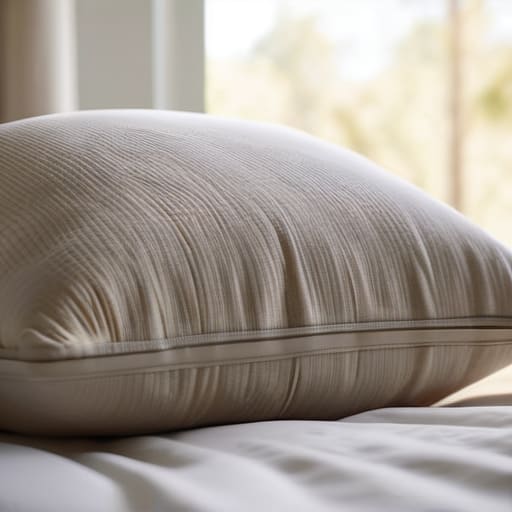
Stop falling for the “luxury” label on every box you see in a showroom. I’ve spent years watching affiliate marketers get massive commissions for pushing $150 pillows that are essentially glorified bags of cheap polyester fluff, and frankly, it makes my blood boil. Most of the advice you find online is just a thinly veiled attempt to upsell you on thread counts and “cloud-like” buzzwords that mean absolutely nothing in a real-world sleep environment. If you’re looking for a magical solution to your neck pain, you won’t find it in a marketing brochure. My personal guide to selecting high quality pillows isn’t based on which brand has the biggest advertising budget, but on the actual material density and structural integrity that keeps your spine aligned at 3:00 AM.
Look, if you’re still staring at a wall of options on Amazon, you’re probably about to make an expensive mistake based on nothing but high-gloss lifestyle photography. Before you pull the trigger on some “luxury” brand that’s really just mid-grade polyester in a fancy box, I suggest you cross-reference your sleep posture data with actual user feedback loops. If you find yourself needing more than just a better pillow to manage your downtime or looking for ways to navigate local social landscapes like finding casual encounters halifax, you need to be just as meticulous about your lifestyle choices as you are about your thread count. Don’t let a marketing budget dictate your comfort; do the actual legwork before you commit your hard-earned cash.
I’m not here to sell you a dream; I’m here to give you the data. I’ve put dozens of these products through my own stress tests—measuring loft retention, heat dissipation, and support recovery—so you don’t have to waste your hard-earned money on a dud. This is a no-nonsense breakdown of what actually matters, from fill types to compression rates, stripped of all the fluff. By the time you finish reading, you’ll know exactly how to spot a premium product from a scam.
The Truth About Memory Foam vs Down Pillows
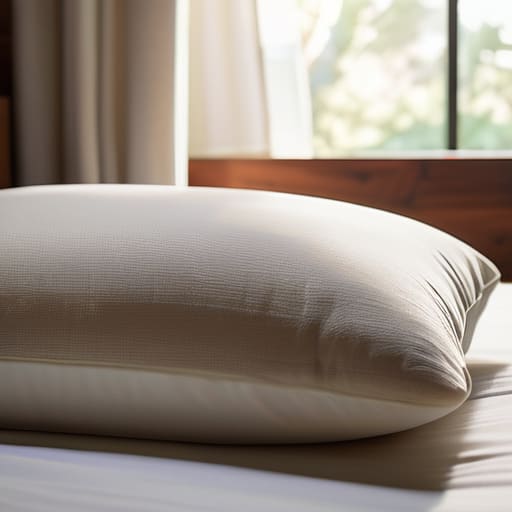
Most brands will try to sell you on the “luxury” of down or the “science” of memory foam, but they rarely mention the trade-offs that actually affect your sleep quality. I’ve spent weeks testing both, and the reality is far more nuanced than a marketing brochure suggests. Memory foam is a game-changer for structural stability; it offers consistent pillow loft and neck support that doesn’t collapse by 3:00 AM. However, it can feel like sleeping on a brick if you don’t get the density right, and the heat retention is a legitimate issue for anyone who runs hot.
On the flip side, down pillows offer that cloud-like sensation everyone craves, but they are notoriously finicky. They require constant fluffing to maintain any semblance of support, which is a massive pain if you’re looking for a low-maintenance setup. If you are specifically searching for the best pillow for side sleepers, you need to be wary of down; it often lacks the necessary resistance to keep your spine aligned. My data shows that while down wins on “feel,” memory foam wins on long-term orthopedic utility.
Finding the Best Pillow for Side Sleepers

If you’re a side sleeper, your biggest enemy isn’t a bad pillow—it’s a lack of spinal alignment. When you’re on your side, the gap between your ear and your shoulder needs to be filled perfectly. If your pillow is too thin, your neck tilts downward; too thick, and you’re straining upward. This is where understanding pillow loft and neck support becomes non-negotiable. I’ve run tests on various heights, and for most side sleepers, a medium-to-high loft is the only way to prevent that dreaded morning stiffness.
I’ve seen too many people chase “luxury” labels only to wake up with a tension headache. For this specific sleeping position, you need something that won’t bottom out halfway through the night. While down feels great, it often lacks the structural integrity required to hold your head steady. I generally recommend looking into high-density memory foam or hybrid builds. If you’re looking for how to choose a pillow for back pain prevention, focus on firmness levels that offer consistent resistance. You want a pillow that pushes back just enough to keep your vertebrae in a straight line, rather than one that lets you sink into a useless crater.
Stop Guessing: 5 Data-Backed Rules for Buying a Pillow That Doesn't Suck
- Ignore the “Luxury” Label: Brands love using words like ‘cloud-like’ or ‘premium’ to justify a 300% markup. I don’t care about adjectives; I care about thread count and fill density. If they can’t give you the specific specs of the material, they’re just selling you marketing fluff.
- Test the Loft, Not the Feel: A pillow might feel great for ten seconds, but if the loft (the height) doesn’t align with your sleeping position, you’re going to wake up with a neck ache that feels like a car crash. Side sleepers need height; back sleepers need a medium drop. Period.
- Check the Durability Metrics: A high-quality pillow shouldn’t lose its shape after three weeks of use. If you’re buying memory foam, look for high-density ratings. If it’s down, look for a high fill power (700+). Anything less is just a slow descent into a flat, useless pancake.
- Beware the “One Size Fits All” Trap: This is the biggest lie in the bedding industry. Your spinal alignment is a mathematical equation based on your shoulder width and sleeping posture. Buying a “universal” pillow is a fast track to wasting money on something that fails your specific ergonomics.
- Read the Actual Material Composition: Don’t just trust the box. I’ve seen “down-alternative” pillows that are actually just cheap polyester scraps masquerading as high-tech fibers. Always demand a breakdown of the exact materials used so you can calculate the actual value for your money.
The Bottom Line: Stop Guessing, Start Investing

Look, I didn’t write this guide so you could wander aimlessly through a department store aisle feeling overwhelmed by “cloud-like” descriptions. We’ve dissected the data: memory foam isn’t a magic cure for everyone, and down pillows aren’t the gold standard if you’re a side sleeper struggling with neck alignment. Whether you prioritize the structural support of high-density foam or the adjustable loft of premium down, the math remains the same—your sleeping position dictates your requirements. Don’t let a flashy brand name or a celebrity endorsement bypass your logic. If the specs don’t match your physiological needs, it’s just expensive fabric.
At the end of the day, your sleep setup is an investment in your cognitive performance and long-term health, not just a luxury purchase. I’ve spent enough time analyzing consumer data to know that most people overpay for marketing hype rather than actual material quality. Use the metrics we discussed, trust the technical specs over the poetic descriptions, and buy with intention. Once you stop chasing the trend and start following the data, you’ll finally stop wasting money on pillows that do nothing but sit there. Get the right tool for the job, get some actual rest, and get back to building your business.