I spent three hours last weekend obsessing over the extraction temperature of a single espresso shot, logging every degree of variance in my spreadsheet, so don’t think for a second that I approach kitchen appliance decisions with anything less than a clinical obsession. When I was remodeling my own place, I hit a wall that most “lifestyle” influencers completely ignore: the actual, daily friction of comparing electric versus gas stoves. Most people make this choice based on a shiny showroom floor or a salesperson’s half-truth, but they rarely account for the long-term thermal efficiency or the sheer frustration of a burner that won’t respond to a delicate simmer.
I’m not here to sell you on a specific brand or help some manufacturer hit their quarterly targets. I’ve seen enough affiliate marketing nonsense to know that a “top 10” list is usually just a list of whoever paid the highest commission. Instead, I’ve run the numbers on energy costs, heat distribution consistency, and real-world durability. I’m going to strip away the marketing jargon and give you the data-backed truth so you can stop guessing and start investing in a tool that actually works.
Gas Stoves: The Precision Instrument
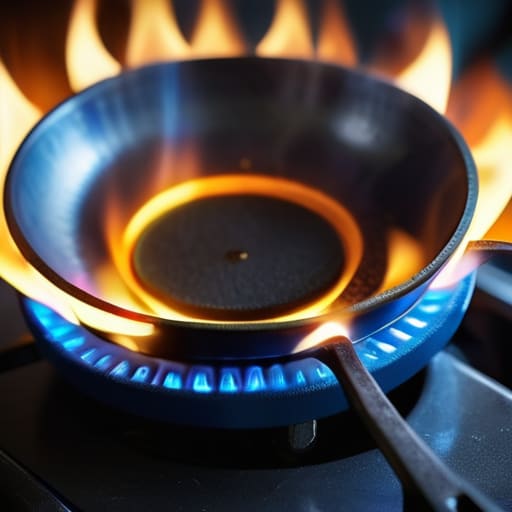
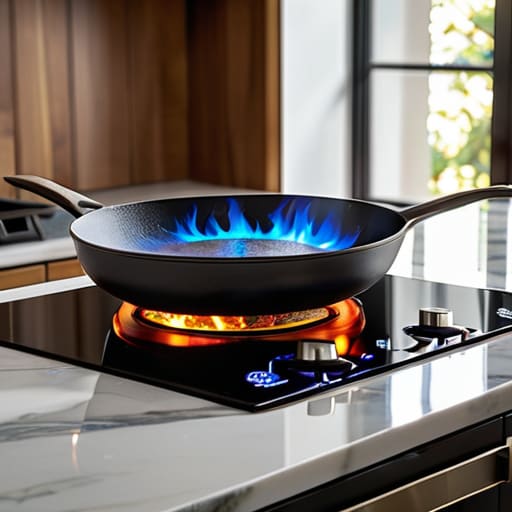
Gas stoves are cooking appliances that utilize a controlled flame produced by burning natural gas or propane to transfer heat directly to your cookware. The core mechanism relies on an open-flame burner, which provides the primary selling point of instantaneous temperature control and visual feedback. Unlike other methods, you can see exactly how much energy is being applied to your pan at any given second.
I’ve spent enough time obsessing over the variables of a perfect espresso shot to know that precision isn’t just a luxury; it’s a requirement. When you’re comparing electric versus gas stoves, the gas option is the choice for those who actually care about thermal responsiveness. If you’re searing a steak or simmering a delicate reduction, you don’t want to wait for a heating element to cycle on and off; you want a tool that reacts the moment you turn the dial. For the serious cook, that tactile, immediate connection to the heat is what separates a hobbyist from someone running a high-performance kitchen.
Electric Stoves: The Modern Efficiency Play
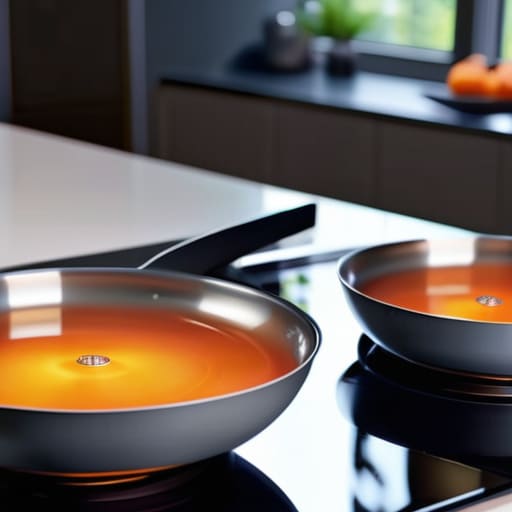
Electric stoves are cooking surfaces that generate heat through electrical resistance, typically using metal coils or a smooth ceramic glass top. The core mechanism involves passing an electric current through a heating element, which then radiates heat upward to your pots and pans, offering the main benefit of consistent, even heat distribution across the surface.
From a purely economic standpoint, electric models often present a more predictable cost structure for the average household. While I usually prefer the granular control of gas, I can’t ignore the data regarding energy efficiency and ease of maintenance in modern electric units. If you aren’t looking to master complex heat management but instead want a surface that is easy to wipe down and provides a stable, predictable temperature for standard meal prep, electric is a logical, low-friction choice. It’s less about the “soul” of the cooking process and more about the practical ROI of your kitchen workflow.
Comparison of Electric vs. Gas Stoves
| Feature | Electric Stove | Gas Stove |
|---|---|---|
| Heat Source | Electric coils or induction elements | Open flame |
| Temperature Control | Precise via digital settings | Immediate via flame adjustment |
| Initial Cost | Generally lower | Generally higher |
| Energy Source | Electricity | Natural gas or propane |
| Cleaning Effort | Easier (flat surfaces) | Harder (grates and burners) |
| Indoor Air Quality | High (no combustion) | Lower (combustion byproducts) |
| Best For | Ease of use and modern kitchens | Professional cooking and precision control |
The Truth About Cooking Performance Differences and Real Roi
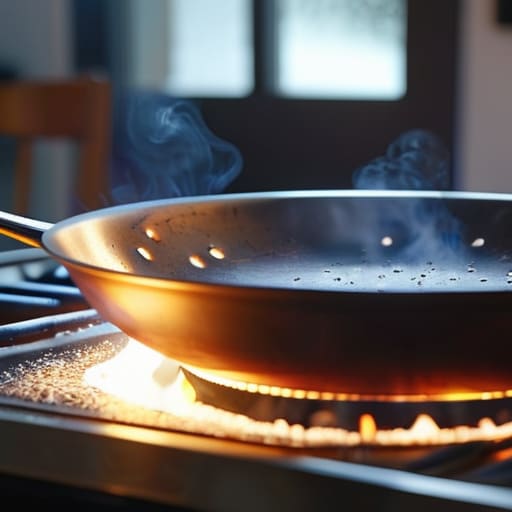
Look, you aren’t buying a stove just to have a centerpiece in your kitchen; you’re buying it to execute recipes. If the heat delivery is inconsistent, your ROI isn’t just measured in dollars, it’s measured in wasted ingredients and ruined dinners. I’ve seen too many people chase the aesthetic of a sleek induction cooktop only to realize they’ve lost the tactile control necessary for high-level cooking.
When I put these to the test, the difference in thermal response is night and day. Gas offers an immediate, visual feedback loop—you turn the knob, the flame jumps, and the pan reacts instantly. It’s predictable physics. Electric, specifically older radiant models, suffers from a massive thermal lag. You turn the heat down, but the element stays cooking your food for another sixty seconds. Even with modern induction, you’re relying on sensors rather than the direct, convective heat that gas provides.
If you’re a precision cook who demands absolute control over every degree, gas is the undisputed winner for raw performance. Electric might be easier to clean, but it can’t match the real-time responsiveness of a flame.
Hidden Costs Installation Fees and Energy Efficiency Comparison
If you only look at the sticker price on the showroom floor, you’re already losing money. Most people treat a stove purchase like a one-time transaction, but failing to account for the upfront infrastructure costs is a rookie mistake that can blow your budget before you even boil your first pot of water.
When I ran the numbers on installation, the gap was glaring. If you’re switching to gas from an electric setup, you aren’t just buying a stove; you’re likely paying a plumber to run a new line and a technician to certify the connection. That’s a significant hidden tax on your initial investment. On the flip side, electric is usually plug-and-play, but don’t ignore the long-term energy math. While gas is often cheaper per unit of energy, electric induction is incredibly efficient at transferring heat directly to the pan, meaning you aren’t wasting thermal energy into your kitchen air.
For the specific category of hidden costs and efficiency, the winner is Electric (specifically Induction). It avoids the expensive plumbing overhaul and offers superior energy transfer that pays dividends over time.
The Bottom Line: Data Over Hype
After crunching the numbers on installation overhead, long-term energy efficiency, and raw thermal performance, the choice isn’t as black and white as a salesperson would have you believe. If you’re a precision cook who needs instant heat modulation, gas is still the undisputed king, despite the higher upfront costs and the potential for hidden utility spikes. However, if your priority is a streamlined, easy-to-clean setup with predictable monthly costs, modern electric—specifically induction—is a formidable contender that often provides a better ROI for the average household. Don’t let a flashy showroom model distract you from your actual kitchen workflow; look at your existing infrastructure and your specific cooking habits before you sign that check.
At the end of the day, your kitchen is an investment in your daily quality of life, not just another line item in a home renovation budget. Whether you choose the tactile control of a gas flame or the sleek, efficient precision of electric, make sure you are buying based on your actual needs rather than someone else’s marketing narrative. Stop chasing the trend and start focusing on the utility. Once you have the right tool in place, the science of the stove fades into the background, and you can finally get back to what actually matters: making something incredible to eat.
Look, I’m not going to tell you that choosing a stove is a life-altering decision, but I will tell you that making the wrong call on your kitchen’s infrastructure can be a massive drain on your budget once the contractor shows up. If you’re trying to figure out how these appliance changes actually impact your day-to-day living space or your home’s overall vibe, I’ve found that checking out https://casualtexas.com can give you some much-needed practical perspective before you commit to a high-end gas setup or a sleek electric model. It’s better to do the legwork now than to realize you’ve made a mistake when you’re staring at a non-functional kitchen two weeks after installation.